
The Open School Revolution: How Flexible Curricula and Student-Led Learning Are Building Tomorrow’s Thinkers
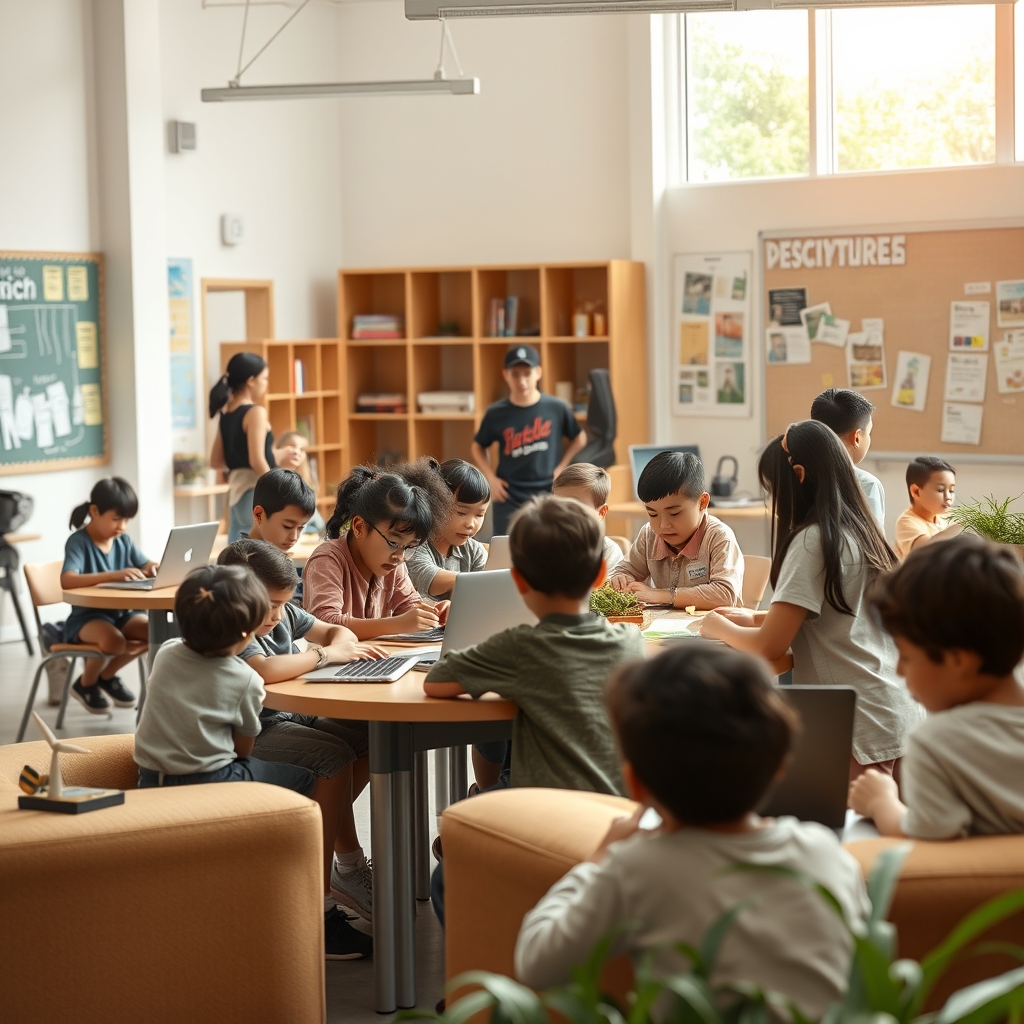
Education is no longer confined to rigid schedules, standardized tests, or one-size-fits-all lesson plans. The rise of open schooling models is challenging traditional norms, offering learners the freedom to explore, adapt, and grow at their own pace. At the core of this movement is the belief that education should be as unique as the individuals it serves—dynamic, inclusive, and driven by curiosity rather than compliance.
The Philosophy Behind Open Schooling
Open schools operate on a simple yet radical premise: learning is not a linear process, and students thrive when given agency over their education. Unlike conventional systems that prioritize memorization and uniform progression, open schools embrace a flexible curriculum that adapts to each learner’s strengths, interests, and pace. This approach is rooted in student-centered learning, where the focus shifts from teaching to facilitating—empowering students to take ownership of their intellectual journey.
Research in educational psychology supports this shift. Studies show that when learners engage with material that resonates with their passions, retention and motivation soar. Open schools leverage this by offering personalized study plans that allow students to dive deep into subjects they care about while still meeting core competencies. Whether through independent study programs or collaborative group work, the goal is to foster a love of learning that extends far beyond the classroom.
Breaking Down the Open School Model
So, what does an open school look like in practice? The answer varies, but several key elements define the approach:
Self-Paced and Competency-Based Progression
Gone are the days of arbitrary grade levels dictating a student’s progress. In open schools, advancement is tied to competency-based progression, where learners demonstrate mastery before moving forward. This method ensures that no student is left behind due to rigid timelines or forced to rush through material they haven’t fully grasped. Platforms like Khan Academy and Outschool exemplify this model, offering self-paced education that adapts to individual needs.
Experiential and Community-Based Learning
Theory alone rarely sparks lasting engagement. Open schools bridge this gap by integrating experiential learning projects and community-based education into their curricula. Students might design urban gardens to study ecology, partner with local businesses for economics projects, or create documentaries to explore history. These real-world applications make learning tangible and relevant, fostering skills like critical thinking, problem-solving, and collaboration.
Democratic and Inclusive Classroom Design
Open schools often adopt democratic schooling principles, where students have a voice in shaping their educational environment. This might include voting on school policies, co-creating curriculum goals, or participating in conflict resolution processes. Such practices cultivate a sense of responsibility and respect, while inclusive classroom design ensures that diverse learning needs—whether cognitive, physical, or emotional—are met. Flexible seating, sensory-friendly spaces, and assistive technologies are just a few ways open schools create environments where every student can thrive.
Hybrid and Non-Traditional Learning Spaces
The physical boundaries of education are dissolving. Hybrid learning spaces blend in-person and online instruction, offering the best of both worlds. Students might attend workshops at a local makerspace in the morning and engage in virtual discussions with peers across the globe in the afternoon. Meanwhile, non-traditional education models like microschools, forest schools, and unschooling co-ops provide alternatives for families seeking education outside conventional institutions. These spaces prioritize creativity, autonomy, and hands-on exploration over rote learning.
Tools and Strategies for Adaptive Learning
Technology plays a pivotal role in enabling open schooling. Open Educational Resources (OER)—free, adaptable teaching materials—allow educators to customize lessons without the constraints of proprietary textbooks. Platforms like OER Commons and MIT OpenCourseWare provide a wealth of resources, from interactive simulations to full university courses. Additionally, adaptive teaching strategies leverage AI and data analytics to personalize learning paths, identifying gaps in understanding and suggesting targeted interventions.
For students, tools like Notion, Trello, and Google Classroom help organize autonomous student research and project-based learning. These platforms encourage self-direction, time management, and digital literacy—skills that are invaluable in an increasingly complex world. Meanwhile, collaborative group work is facilitated through tools like Padlet and Miro, which enable real-time brainstorming and feedback, regardless of physical location.
Cultivating Lifelong Learners
The ultimate goal of open schooling is not just to prepare students for exams but to equip them with lifelong learning skills. By emphasizing curiosity, resilience, and adaptability, these models nurture individuals who are not only knowledgeable but also capable of navigating an unpredictable future. Whether a student pursues higher education, entrepreneurship, or a trade, the ability to learn independently and think critically will serve them far beyond the classroom.
Open schools also recognize that education is a communal endeavor. Holistic student development extends beyond academics to include emotional intelligence, social responsibility, and ethical reasoning. Programs that integrate mindfulness, service learning, and mentorship ensure that students grow into well-rounded individuals who contribute meaningfully to society. In this way, open schooling isn’t just about reimagining education—it’s about reimagining what it means to be human in a rapidly changing world.
As the demand for personalized, flexible, and inclusive education grows, open schools are leading the charge. They remind us that learning is not a destination but a journey—one that should be as unique and boundless as the minds embarking on it. The question is no longer whether we can afford to embrace these models, but whether we can afford not to. The future of education is open, and it’s already here.



