
The Unseen Catalysts: How AI-Powered Virtual Tutors and Microlearning Are Redefining Lifelong Learning
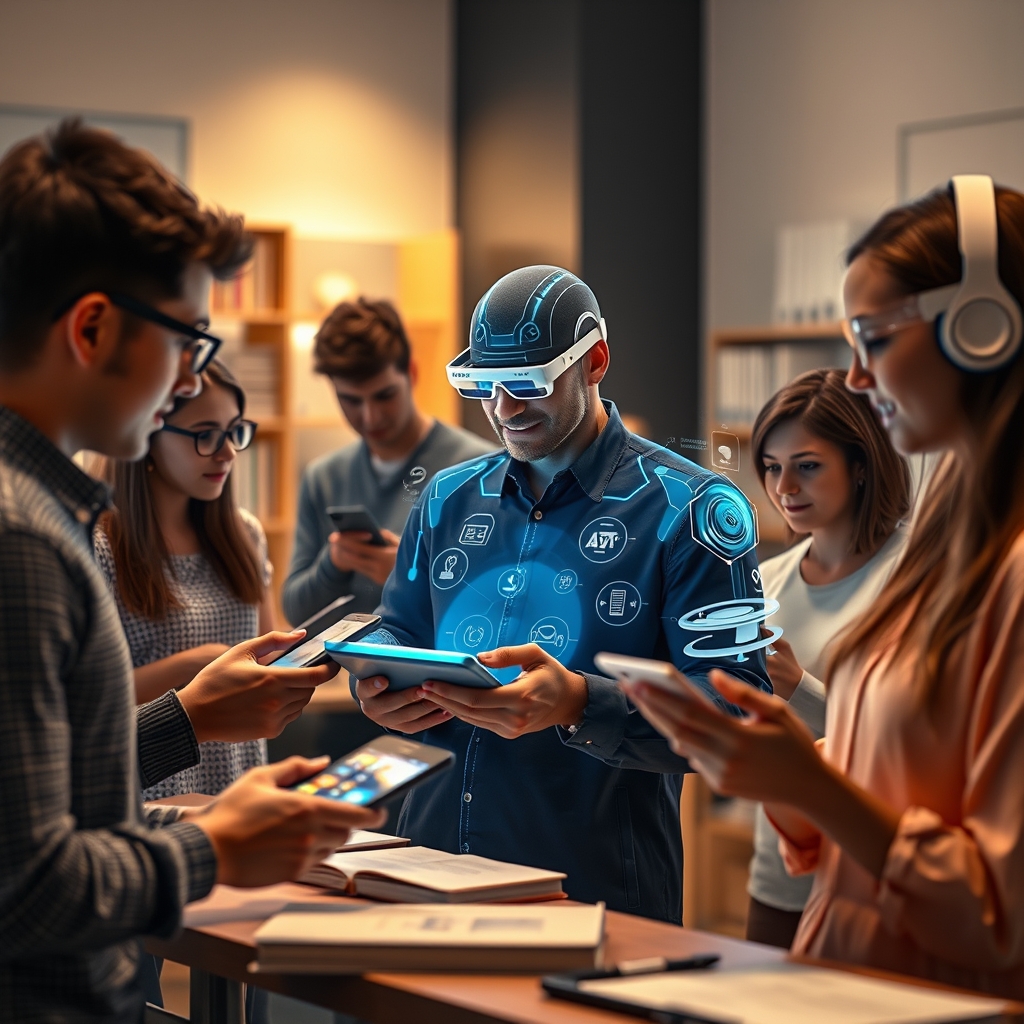
The landscape of education is undergoing a seismic shift, not with the fanfare of a grand announcement, but through the quiet, relentless integration of technologies that adapt to the learner rather than the other way around. At the heart of this transformation are two unsung heroes: AI-powered virtual tutors and microlearning. Together, they are dismantling the rigid structures of traditional education and replacing them with a dynamic, responsive framework that meets learners where they are—both literally and figuratively.
The Rise of the Virtual Tutor
Imagine a tutor that is available 24/7, never tires, and adapts its teaching style to suit your unique learning pace and preferences. This is no longer the stuff of science fiction but a reality made possible by AI-powered virtual tutors. These digital mentors leverage machine learning algorithms to analyze a learner’s strengths, weaknesses, and even emotional responses to tailor instruction in real-time. Whether it’s solving a complex math problem, mastering a new language, or understanding the nuances of corporate compliance, virtual tutors provide personalized guidance that was once the exclusive domain of human educators.
What sets these tutors apart is their ability to scale. A single AI tutor can serve thousands of learners simultaneously, each receiving a bespoke learning experience. This democratization of education is particularly impactful in regions where access to quality human tutors is limited. Moreover, virtual tutors are not bound by geographical constraints, making high-quality education accessible to anyone with an internet connection.
The Power of Microlearning
While virtual tutors provide the guidance, microlearning delivers the content in a way that aligns with the modern learner’s lifestyle. Microlearning breaks down complex topics into bite-sized, digestible modules that can be completed in minutes rather than hours. This approach is not just a matter of convenience; it’s rooted in cognitive science. Research shows that the human brain retains information more effectively when it is presented in short, focused bursts, a principle known as spaced repetition.
Microlearning is particularly effective in corporate training and professional development. Employees can engage with training materials during short breaks, commutes, or even while waiting for a meeting to start. This flexibility ensures that learning becomes a seamless part of daily life rather than a disruptive chore. Furthermore, microlearning modules can be updated quickly to reflect the latest industry trends, ensuring that learners always have access to the most current information.
Bridging the Gap with Gamification
To enhance engagement, many microlearning platforms incorporate gamification elements such as badges, leaderboards, and rewards. These features tap into the innate human desire for achievement and competition, making the learning process more enjoyable and motivating. For instance, a sales professional might earn a digital badge for completing a module on negotiation techniques, while a software developer could climb a leaderboard by mastering a new programming language. Gamification not only makes learning fun but also provides tangible evidence of progress, which can be shared on professional networks like LinkedIn.
The Synergy of AI and Microlearning
The true magic happens when AI-powered virtual tutors and microlearning converge. AI can analyze a learner’s performance across microlearning modules and identify patterns that may not be immediately apparent. For example, if a learner consistently struggles with a particular concept, the AI tutor can adjust the difficulty level, provide additional resources, or even suggest alternative learning paths. This adaptive approach ensures that learners are neither bored by material that is too easy nor overwhelmed by content that is too challenging.
This synergy is particularly powerful in lifelong learning programs. As professionals navigate their careers, their learning needs evolve. An AI-powered system can track these changes over time and recommend new microlearning modules or skill-based certifications to keep their knowledge and skills up-to-date. This continuous, personalized learning journey is the cornerstone of lifelong learning in the digital age.
Real-World Applications
The impact of these technologies is already being felt across various sectors. In healthcare, for example, medical professionals use AI-powered virtual tutors to stay abreast of the latest treatment protocols and medical advancements. Microlearning modules allow them to quickly absorb critical information without taking time away from patient care. In the tech industry, software developers leverage these tools to master new programming languages or frameworks, ensuring they remain competitive in a rapidly evolving field.
Educational institutions are also embracing this shift. Universities and online learning platforms are integrating AI tutors and microlearning into their curricula to provide students with a more flexible and personalized learning experience. This is particularly beneficial for non-traditional students, such as working adults or parents, who need to balance their education with other responsibilities.
The Future of Learning: Flexible, Adaptive, and Inclusive
The integration of AI-powered virtual tutors and microlearning is not just a trend but a fundamental reimagining of how education is delivered and consumed. These technologies are breaking down the barriers of time, location, and access, making learning more inclusive and equitable. They are also fostering a culture of continuous learning, where the acquisition of new skills is not confined to a specific stage of life but is a lifelong pursuit.
As these tools become more sophisticated, the line between formal and informal learning will continue to blur. Learners will have the freedom to choose their own paths, whether that means pursuing an online degree, earning micro-credentials, or simply exploring topics of personal interest. The role of educators will evolve as well, shifting from being the sole source of knowledge to facilitators who guide learners through their personalized journeys. In this new era, the possibilities are as limitless as the curiosity of the learners themselves, and the future of education is not just bright—it’s adaptive, responsive, and deeply personal.



