
The Hybrid Learning Revolution: How AI and Flexible Paths Are Crafting the Future of Education
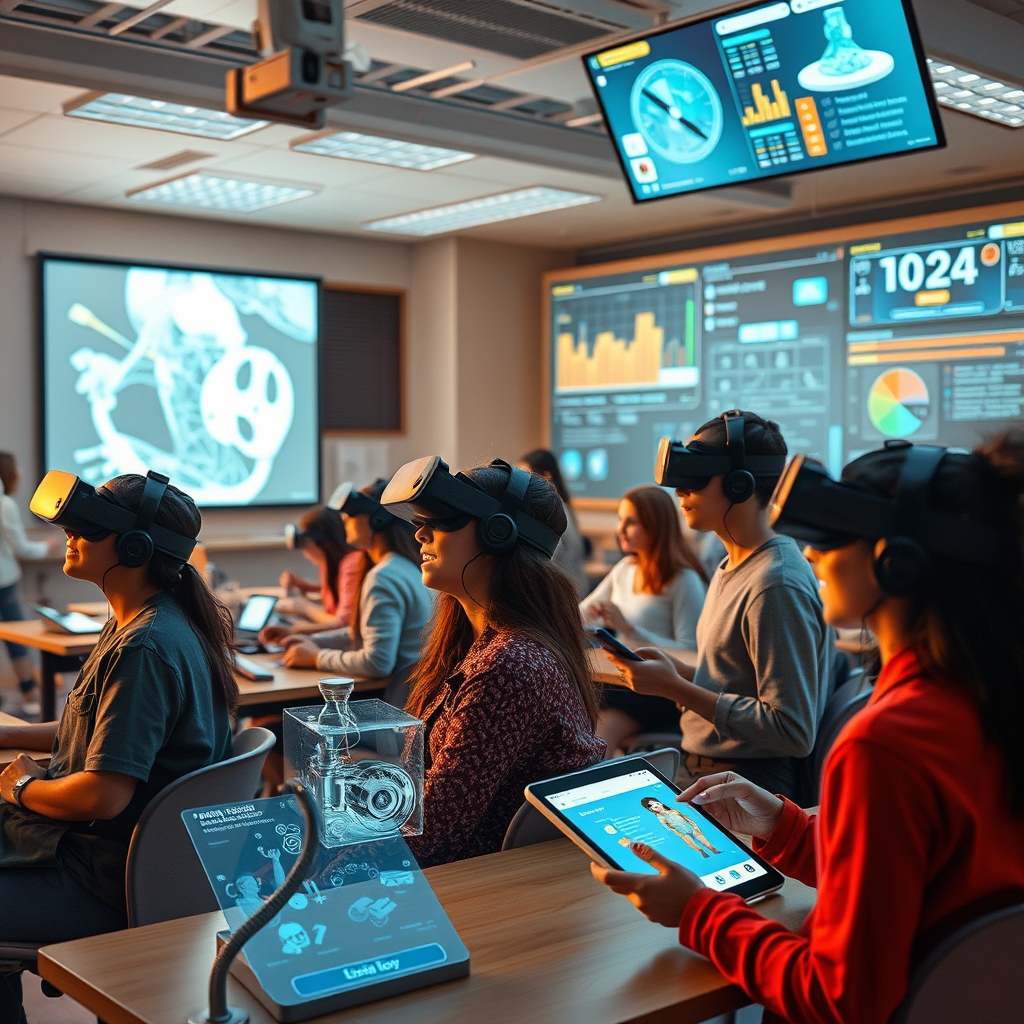
The landscape of education is undergoing a seismic shift, driven by the convergence of artificial intelligence and innovative learning models. At the heart of this transformation lies hybrid learning—a dynamic blend of traditional classroom instruction and digital experiences that adapts to the needs of modern learners. No longer confined to rigid schedules or one-size-fits-all curricula, education is evolving into a fluid, personalized journey that empowers individuals to learn at their own pace, in their own way, and on their own terms.
The Rise of Flexible Learning Paths
Flexible learning paths are dismantling the barriers of conventional education by offering learners the autonomy to chart their own educational journeys. Unlike the linear progression of traditional schooling, these paths allow students to explore subjects based on their interests, prior knowledge, and career aspirations. AI-powered platforms analyze individual learning behaviors, identifying strengths and gaps to recommend tailored content, resources, and activities. This level of personalization ensures that no learner is left behind, while also challenging advanced students to push beyond their limits.
For example, a professional seeking to upskill in data science might begin with foundational courses in statistics, then branch into machine learning or AI ethics based on their progress and goals. The system adapts in real-time, suggesting microlearning modules or interactive simulations to reinforce concepts. This approach not only accelerates mastery but also keeps learners engaged by aligning content with their evolving needs.
The Role of AI in Personalized Learning Systems
Artificial intelligence is the backbone of modern personalized learning systems, acting as a silent guide that shapes educational experiences without intruding on the learner’s autonomy. Adaptive teaching software, powered by AI, continuously assesses performance through quizzes, interactive exercises, and even facial recognition to gauge engagement levels. These systems then adjust the difficulty, format, and pacing of content to match the learner’s proficiency, ensuring optimal challenge without overwhelming them.
Virtual tutors take this a step further by providing on-demand support, answering questions, and offering explanations in real-time. Unlike human tutors, these AI-driven assistants are available 24/7, making learning accessible anytime, anywhere. They can also simulate conversations, debates, or problem-solving scenarios, creating an immersive environment that mirrors real-world applications. For instance, a medical student might practice diagnostic skills with an AI patient, receiving instant feedback and guidance to refine their approach.
Gamification and Interactive Ebooks: Making Learning Engaging
Gamification has emerged as a powerful tool to transform education from a passive experience into an active, engaging adventure. By incorporating game-like elements such as points, leaderboards, badges, and challenges, educators can motivate learners to stay committed and track their progress in a visually appealing way. Digital badges and micro-credentials serve as tangible rewards for completing modules or mastering skills, providing learners with a sense of achievement and a portable record of their accomplishments.
Interactive ebooks complement this approach by turning static content into dynamic, multimedia-rich experiences. These ebooks can include embedded videos, quizzes, simulations, and even augmented reality (AR) elements that bring concepts to life. For example, an interactive ebook on anatomy might allow students to rotate a 3D model of the human heart, zoom in on specific structures, and test their knowledge through interactive diagrams. This level of interactivity not only enhances comprehension but also makes learning more enjoyable and memorable.
The Impact of Hybrid Learning Models on Corporate Training
Hybrid learning models are not just revolutionizing traditional education—they are also reshaping corporate training. In the fast-paced world of business, employees need to continuously update their skills to stay competitive. Online degree programs and microlearning courses offer flexible, scalable solutions that allow professionals to learn without disrupting their work schedules. AI-driven platforms can curate personalized training paths based on an employee’s role, career goals, and skill gaps, ensuring that learning is relevant and impactful.
For example, a marketing team might use a hybrid learning platform to combine in-person workshops with online modules on the latest digital marketing trends. AI-powered analytics track each employee’s progress, identifying areas where additional support is needed and recommending targeted resources. This approach not only improves knowledge retention but also fosters a culture of lifelong learning within organizations.
Virtual and Augmented Reality: The Future of Immersive Learning
Virtual reality (VR) and augmented reality (AR) are pushing the boundaries of immersive learning, creating environments where learners can practice skills in realistic, risk-free settings. VR classrooms allow students to explore historical events, conduct virtual science experiments, or even practice public speaking in front of a simulated audience. AR, on the other hand, overlays digital information onto the physical world, enhancing real-world learning experiences. For instance, an AR app might project step-by-step instructions onto a piece of machinery, guiding a technician through a repair process.
These technologies are particularly valuable in fields that require hands-on training, such as healthcare, engineering, and aviation. By providing a safe space to make mistakes and learn from them, VR and AR accelerate skill acquisition and boost confidence. They also make learning more accessible, allowing students in remote or underserved areas to experience high-quality education without the need for expensive equipment or travel.
As education continues to evolve, the fusion of AI, hybrid learning models, and immersive technologies is creating a future where learning is not just a means to an end but a lifelong, enriching journey. The tools and systems emerging today are laying the foundation for a world where education is truly democratized, personalized, and accessible to all. In this new era, the only limit to what one can learn is the boundaries of their own curiosity, and the possibilities are as vast as the imagination itself.



