
The Freedom to Learn: How Open Schools and Experiential Models Are Redefining Education
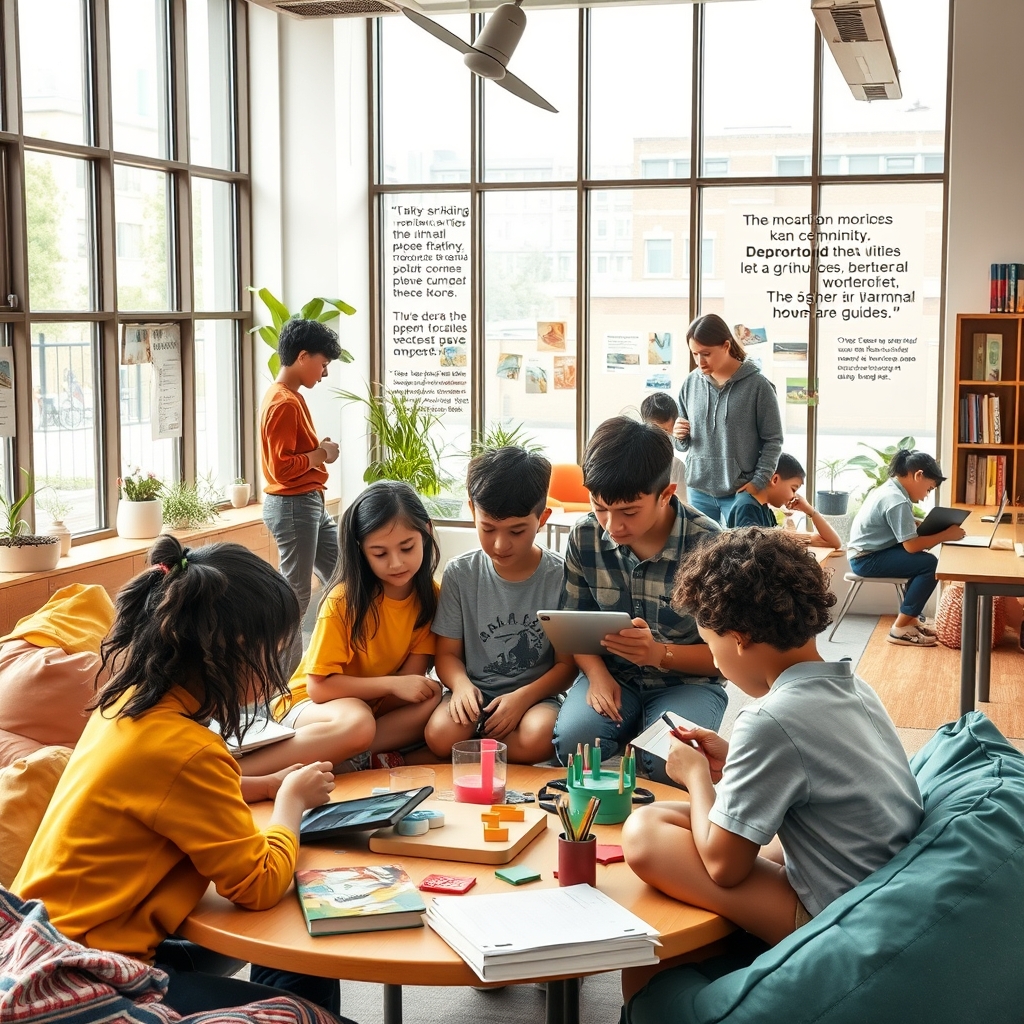
Education has long been confined to rigid structures—rows of desks, standardized tests, and a one-size-fits-all curriculum. But what if learning could be as unique as the individuals pursuing it? Open schools and alternative education models are challenging traditional norms by prioritizing flexibility, autonomy, and real-world relevance. These approaches are not just about breaking free from the conventional classroom; they’re about reimagining what education can—and should—be.
The Open School Definition: A Paradigm Shift
At its core, an open school is a learning environment that dismantles the barriers of traditional education. Unlike conventional schools, which often rely on fixed schedules, rigid curricula, and top-down instruction, open schools embrace a philosophy of freedom and adaptability. The open school definition extends beyond physical spaces—it’s a mindset that values student agency, interdisciplinary learning, and the belief that education should be a dynamic, evolving process.
This model is rooted in the idea that learners thrive when they have the autonomy to explore subjects at their own pace and in ways that resonate with their interests. Whether through independent study programs, self-paced education, or competency-based progression, open schools create a framework where curiosity, not compliance, drives the learning experience.
Flexible Curriculum: Learning Without Limits
A flexible curriculum is the backbone of open schooling. Unlike traditional education, where subjects are siloed and progress is dictated by age rather than ability, open schools allow students to chart their own academic journeys. This might mean diving deep into a passion project, accelerating through subjects they excel in, or taking the time to master foundational skills without the pressure of arbitrary deadlines.
For example, a student fascinated by marine biology might spend a semester designing an experiential learning project—perhaps partnering with a local aquarium or conducting field research—while still meeting core academic competencies. This approach not only makes learning more engaging but also fosters lifelong learning skills, such as critical thinking, problem-solving, and adaptability.
Student-Centered Learning: Putting the Learner First
At the heart of open schools is the principle of student-centered learning. This philosophy flips the traditional teacher-student dynamic, positioning educators as facilitators rather than authoritarian figures. In a student-centered classroom, learners are active participants in their education, setting goals, choosing resources, and reflecting on their progress.
Personalized study plans are a key component of this approach. Instead of a standardized curriculum, students work with mentors to design learning pathways tailored to their strengths, interests, and aspirations. This might involve a mix of autonomous student research, collaborative group work, and hands-on projects that connect classroom concepts to real-world applications. The result? A deeper, more meaningful engagement with learning.
Alternative Schooling Models: Beyond the Traditional Classroom
Open schools are just one facet of the broader movement toward alternative schooling models. From democratic schooling, where students have a say in school governance, to hybrid learning spaces that blend online and in-person instruction, these models share a common goal: to make education more inclusive, adaptive, and responsive to individual needs.
Experiential and Community-Based Education
One of the most powerful aspects of alternative education is its emphasis on experiential learning. Rather than passively absorbing information, students in open schools engage in projects that require them to apply knowledge in real-world contexts. This might involve designing a community garden to learn about ecology, creating a business plan to explore economics, or volunteering with local organizations to understand social issues.
Community-based education takes this a step further by integrating learning into the fabric of the local environment. Students might collaborate with artists, scientists, or entrepreneurs, gaining insights that no textbook could provide. This approach not only enriches their education but also strengthens their connection to the world around them.
Inclusive Classroom Design: Meeting Diverse Needs
Traditional classrooms often struggle to accommodate the diverse needs of learners. Open schools, however, are designed with inclusivity in mind. Adaptive teaching strategies ensure that students with different learning styles, abilities, and backgrounds can thrive. This might involve using open educational resources (OER) that can be customized for accessibility, offering multiple ways to demonstrate competency, or creating hybrid learning spaces that combine physical and digital tools.
For example, a student with dyslexia might use audiobooks or text-to-speech software to access content, while a gifted learner could explore advanced topics through online courses. By removing barriers, open schools create an environment where every student has the opportunity to succeed.
The Future of Learning: Autonomy, Collaboration, and Lifelong Curiosity
As the world becomes more complex and interconnected, the skills needed to navigate it are evolving. Open schools and alternative education models are not just preparing students for the future—they’re helping them shape it. By fostering autonomy, collaboration, and a love of learning, these approaches equip students with the tools they need to adapt, innovate, and thrive in an ever-changing landscape.
Perhaps most importantly, open schools remind us that education is not a destination but a journey. It’s a process of discovery, growth, and transformation—one that should be as unique as the individuals embarking on it. In a world where conformity often stifles creativity, these models offer a refreshing alternative: the freedom to learn, explore, and become who you are meant to be.



