
The Future of Education: How Hybrid Study Models Are Redefining Student Success
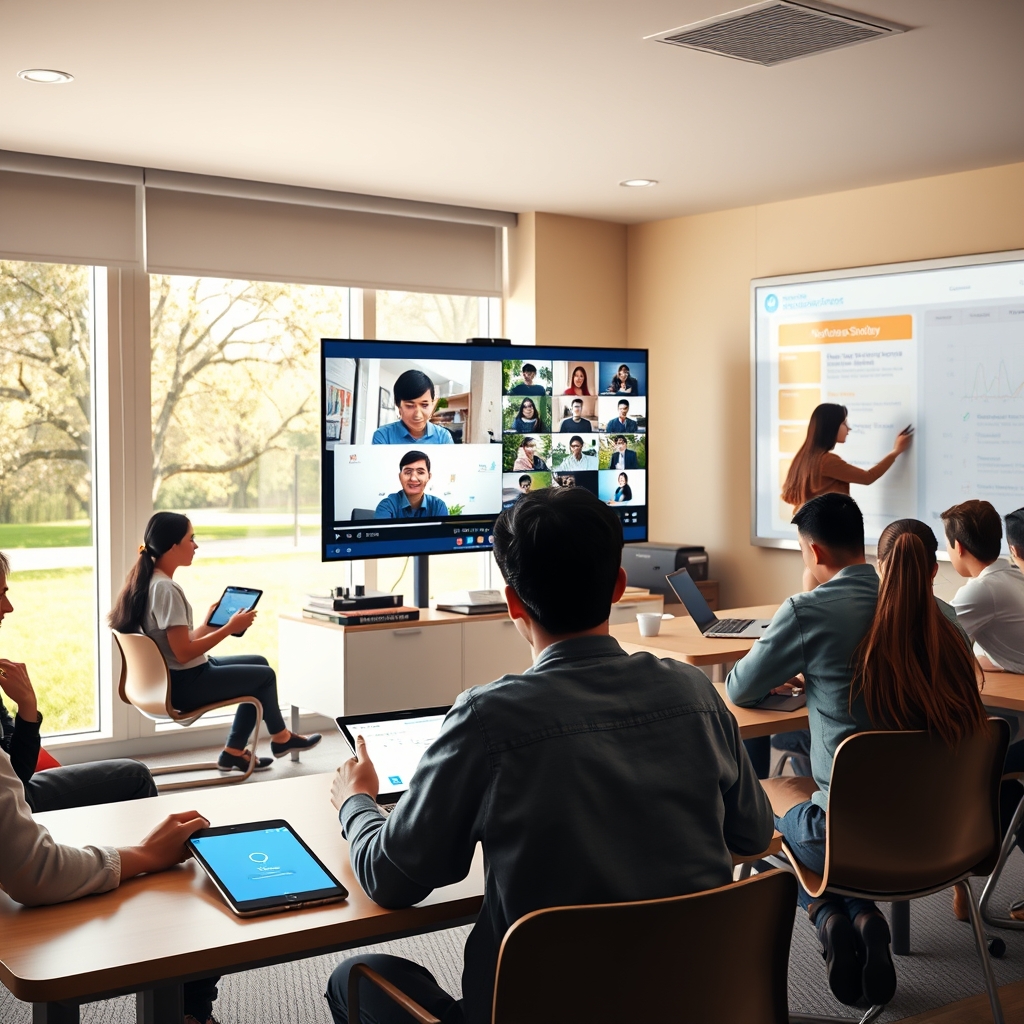
The landscape of education has undergone a seismic shift in recent years, driven by advancements in technology and a growing demand for flexibility. Among the most transformative developments is the rise of hybrid study models, which blend the best of traditional in-person instruction with the convenience and innovation of remote learning platforms. These models are not just a temporary solution but a permanent evolution in how we approach learning, offering students unparalleled opportunities to tailor their education to fit their unique needs and lifestyles.
The Core Components of Hybrid Learning
Hybrid study models are designed to create a seamless integration between physical and digital learning environments. At their core, these models rely on a combination of synchronous online classes and asynchronous classrooms, allowing students to engage with course material in real-time or at their own pace. This dual approach ensures that learners can benefit from the structure of live interactions while also enjoying the flexibility of self-directed study.
For example, a student might attend a live interactive video lecture in the morning, where they can ask questions and participate in discussions, and then complete self-paced modules in the evening, reinforcing what they’ve learned at a time that suits them best. This balance is particularly valuable for non-traditional students, such as working professionals or parents, who need to juggle multiple responsibilities alongside their education.
The Role of Educational Technology Tools
The success of hybrid study models hinges on the effective use of educational technology tools. Platforms like cloud-based classrooms and digital learning environments provide the infrastructure needed to deliver high-quality education remotely. Tools such as learning management systems (LMS), video conferencing software, and collaborative online workspaces enable educators to create engaging, interactive experiences that rival those of a traditional classroom.
Moreover, these tools are not static; they evolve alongside the needs of students and educators. For instance, computer-assisted learning systems can adapt to a student’s progress, offering personalized feedback and additional resources to address areas where they may be struggling. This level of customization is difficult to achieve in a purely in-person setting, making hybrid models a powerful option for modern learners.
Flexibility Without Compromising Quality
One of the most compelling advantages of hybrid study models is their ability to offer flexible degree paths without sacrificing academic rigor. Institutions that adopt these models are often able to provide a wider range of courses and programs, including those that might not be feasible in a traditional setting due to resource constraints. For example, virtual high schools and cyber charter schools can offer specialized courses or advanced placement options that would otherwise be unavailable to students in rural or underserved areas.
Additionally, hybrid models can accommodate different learning styles. Some students thrive in a structured environment with clear deadlines and face-to-face interactions, while others prefer the autonomy of self-paced modules. By offering both options, hybrid study models ensure that every student has the opportunity to succeed, regardless of their preferred learning style.
Challenges and Considerations
While hybrid study models offer numerous benefits, they are not without challenges. One of the primary concerns is ensuring virtual student engagement. In a digital environment, it can be more difficult to maintain student motivation and participation, particularly in asynchronous classrooms where there is no real-time interaction. Educators must be proactive in designing engaging content and fostering a sense of community among students, even when they are not physically present.
Another challenge is the digital divide. Not all students have equal access to the technology and internet connectivity required for hybrid learning. Institutions must work to bridge this gap by providing resources such as loaner devices, subsidized internet access, or even physical spaces where students can access the necessary tools. Without these supports, hybrid models risk exacerbating existing inequalities in education.
The Broader Impact on Education
The adoption of hybrid study models is not just a trend but a fundamental shift in how education is delivered and consumed. As more institutions embrace these models, we are likely to see a ripple effect across the entire educational ecosystem. For instance, distributed learning networks can connect students and educators from around the world, creating opportunities for collaboration and cultural exchange that were previously unimaginable.
Furthermore, hybrid models can help address some of the long-standing issues in education, such as overcrowded classrooms and limited access to specialized courses. By leveraging web-based instruction and electronic learning systems, schools and universities can expand their reach and offer high-quality education to a broader audience. This is particularly important in an era where lifelong learning is becoming the norm, and individuals must continuously update their skills to stay competitive in the job market.
As we look to the future, it is clear that hybrid study models will play a central role in shaping the next generation of learners. They offer a dynamic, adaptable approach to education that meets the needs of today’s students while preparing them for the challenges of tomorrow. Whether through online degree courses, virtual high schools, or flexible degree paths, these models are redefining what it means to learn, grow, and succeed in the 21st century. The key to their success lies in striking the right balance between innovation and accessibility, ensuring that every student has the opportunity to thrive in this new educational landscape.



