
The Rise of Asynchronous Classrooms: How Self-Paced Learning is Revolutionizing Education
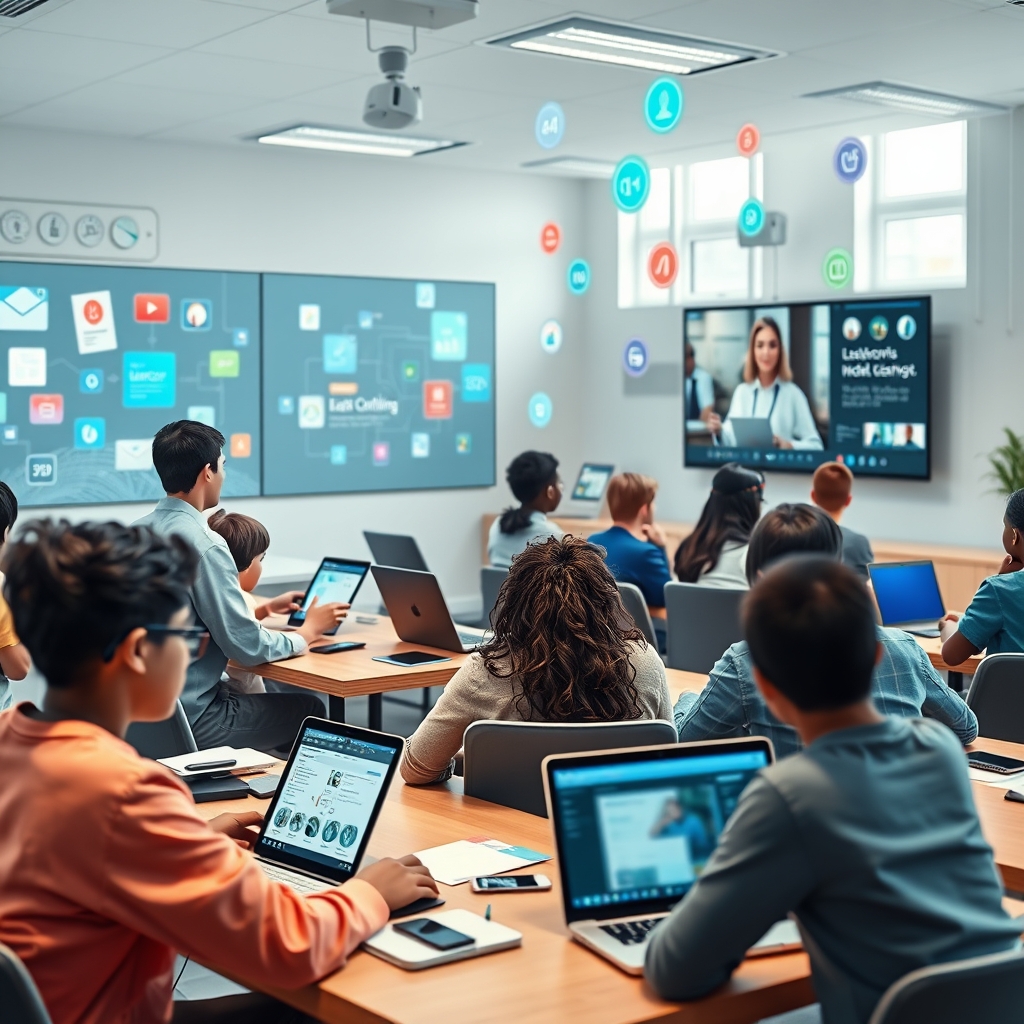
The landscape of education has undergone a seismic shift in the past decade, with asynchronous classrooms emerging as a cornerstone of modern learning. Unlike traditional education models that rely on fixed schedules and physical presence, asynchronous learning empowers students to engage with course materials on their own terms. This flexibility is not just a convenience—it’s a game-changer for learners of all ages, from K-12 students in virtual high schools to working professionals pursuing online degree courses.
The Flexibility Factor: Why Asynchronous Learning Works
One of the most compelling advantages of asynchronous learning is its ability to accommodate diverse lifestyles and commitments. Whether it’s a single parent balancing work and study, a full-time employee upskilling for a career change, or a high school student with extracurricular passions, self-paced modules allow learners to tailor their education to fit their unique circumstances. This flexibility is particularly valuable in distance education programs, where geographical barriers no longer dictate access to quality education.
Moreover, asynchronous classrooms eliminate the pressure of keeping up with a rigid pace. Students can revisit challenging concepts, spend extra time on topics of interest, or accelerate through material they’ve already mastered. This personalized approach fosters deeper understanding and retention, as learners are not constrained by the one-size-fits-all structure of traditional classrooms.
The Role of Technology in Asynchronous Learning
The backbone of asynchronous education is the suite of educational technology tools that make it possible. Remote learning platforms like Moodle, Canvas, and Blackboard provide the infrastructure for delivering course content, submitting assignments, and facilitating discussions. These platforms often integrate interactive video lectures, quizzes, and collaborative forums, creating a dynamic digital learning environment that mimics—and in some cases, enhances—the interactivity of in-person classes.
Another critical component is the rise of cloud-based classrooms, which enable seamless access to learning materials from any device with an internet connection. This accessibility ensures that students can engage with their coursework whether they’re at home, in a café, or on the go. Additionally, tools like computer-assisted learning software and AI-driven tutoring systems provide real-time feedback and support, further enriching the learning experience.
Engagement in a Virtual World: Keeping Students Connected
A common misconception about asynchronous learning is that it lacks the engagement and community found in traditional classrooms. However, modern virtual student engagement strategies are proving this wrong. Discussion boards, peer review assignments, and group projects foster collaboration, while synchronous online classes—held via video conferencing tools like Zoom or Microsoft Teams—offer opportunities for real-time interaction with instructors and classmates.
For younger learners, cyber charter schools and virtual high schools often incorporate gamification and interactive elements to keep students motivated. Leaderboards, badges, and progress trackers tap into the competitive spirit, while virtual clubs and extracurricular activities provide social outlets. These strategies ensure that students remain connected to their peers and invested in their learning journey, even in a distributed learning network.
The Hybrid Model: Blending the Best of Both Worlds
While asynchronous learning offers unparalleled flexibility, some students and educators still value the structure and immediacy of traditional classrooms. This is where hybrid study models come into play. By combining asynchronous coursework with periodic in-person or synchronous sessions, hybrid models strike a balance between flexibility and engagement. For example, a university might offer online degree courses with optional weekly live discussions, or a high school might blend web-based instruction with monthly on-campus workshops.
Hybrid models are particularly effective for subjects that benefit from hands-on learning, such as science labs or performing arts. They also cater to students who thrive in structured environments but need the flexibility to manage other responsibilities. As educational institutions continue to innovate, hybrid models are likely to become an increasingly popular choice for learners seeking the best of both worlds.
The Future of Asynchronous Learning: Challenges and Opportunities
Despite its many advantages, asynchronous learning is not without challenges. One of the most significant hurdles is ensuring equitable access to technology. While digital learning environments are becoming more ubiquitous, disparities in internet access and device availability can create barriers for some students. Addressing these gaps is essential to ensuring that asynchronous education remains inclusive and accessible to all.
Another challenge is maintaining academic integrity in a remote setting. With the rise of electronic learning systems, institutions must implement robust measures to prevent plagiarism and cheating. Proctoring software, plagiarism detection tools, and project-based assessments are some of the strategies being used to uphold academic standards in asynchronous classrooms.
Looking ahead, the future of asynchronous learning is bright. Advances in educational technology tools, such as virtual reality (VR) and augmented reality (AR), promise to create even more immersive and interactive learning experiences. Imagine a history class where students can virtually explore ancient civilizations or a biology course where they can dissect a virtual specimen. These innovations have the potential to revolutionize education, making it more engaging, accessible, and effective than ever before.
Asynchronous classrooms are not just a temporary solution or a stopgap measure—they represent a fundamental shift in how we approach education. By prioritizing flexibility, personalization, and accessibility, they are breaking down the barriers that have long limited learning opportunities. Whether through self-paced modules, interactive video lectures, or hybrid study models, the rise of asynchronous learning is empowering students to take control of their education and shape their futures on their own terms. The classroom of tomorrow is here today, and it’s more dynamic, inclusive, and adaptable than ever before.



