
Navigating the Future: How Flexible Learning Models Are Shaping Modern Education
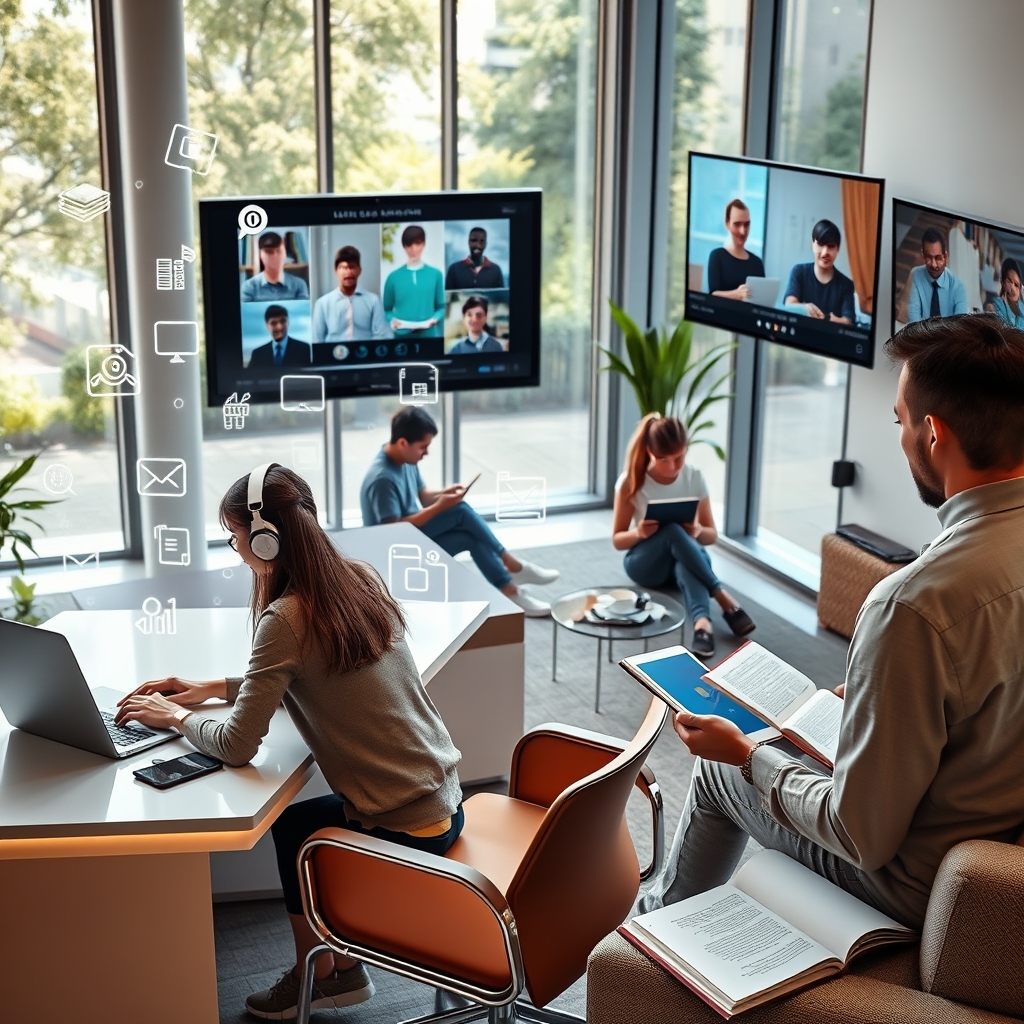
The landscape of education has undergone a seismic shift in recent years, driven by technological advancements and the growing demand for accessibility. Traditional brick-and-mortar classrooms are no longer the sole gateway to knowledge, as distance education programs and remote learning platforms have emerged as powerful alternatives. These innovations are not just reshaping how students learn but also redefining who gets to learn, breaking down barriers of geography, time, and socioeconomic status.
The Rise of Virtual High Schools and Online Degree Courses
One of the most significant developments in modern education is the proliferation of virtual high schools and online degree courses. These platforms offer students the opportunity to earn accredited diplomas and degrees without ever setting foot in a physical classroom. Institutions like K12 and Southern New Hampshire University have pioneered this movement, providing rigorous curricula that rival traditional education in both depth and quality. For many learners, especially those in remote or underserved areas, these programs are a lifeline, offering a path to academic and professional success that was previously out of reach.
The flexibility of self-paced modules and asynchronous classrooms is another game-changer. Unlike traditional education, where students must adhere to a fixed schedule, these models allow learners to progress at their own speed. This is particularly beneficial for working professionals, parents, or anyone juggling multiple responsibilities. The ability to access lectures, assignments, and discussions on their own time empowers students to take control of their education, fostering a sense of autonomy and self-discipline.
The Role of Technology in Creating Dynamic Learning Environments
At the heart of this educational revolution are the educational technology tools and electronic learning systems that make it all possible. Platforms like Moodle, Blackboard, and Canvas have become the backbone of digital learning environments, offering a suite of features designed to enhance the learning experience. From interactive quizzes and discussion forums to real-time feedback and analytics, these tools create a rich, engaging, and personalized educational journey.
Interactive video lectures and synchronous online classes further elevate the experience by bringing a human element to remote learning. Tools like Zoom, Microsoft Teams, and Google Meet enable real-time interaction between instructors and students, replicating the dynamics of a physical classroom. This is especially important for subjects that require collaboration, debate, or hands-on practice. Meanwhile, distributed learning networks and cloud-based classrooms ensure that students and educators can connect seamlessly, regardless of their location.
Hybrid Study Models: Blending the Best of Both Worlds
While fully online education has its advantages, hybrid study models are gaining traction as a way to combine the flexibility of remote learning with the structure of in-person instruction. These models allow students to split their time between online coursework and on-campus activities, offering the best of both worlds. For example, a student might attend lectures online but participate in lab work or group projects in person. This approach is particularly popular in fields like medicine, engineering, and the arts, where hands-on experience is crucial.
Cyber charter schools are another example of how hybrid models are being implemented. These publicly funded schools offer a mix of online and in-person learning, often with a focus on personalized education plans. Students benefit from the flexibility of web-based instruction while still having access to teachers, counselors, and extracurricular activities. This model is particularly effective for students who thrive in non-traditional learning environments or who have unique educational needs.
Engaging Students in a Virtual World
One of the biggest challenges of remote education is maintaining virtual student engagement. Without the physical presence of peers and instructors, students can sometimes feel isolated or disconnected. However, innovative approaches are being developed to address this issue. Gamification, for example, uses game-like elements such as points, badges, and leaderboards to motivate students and make learning more interactive. Similarly, computer-assisted learning tools like adaptive software can tailor content to a student’s individual needs, keeping them challenged and engaged.
Social learning is another key component of engagement. Discussion boards, group projects, and peer reviews encourage students to interact with one another, fostering a sense of community. Platforms like Discord and Slack are increasingly being used to create virtual study groups, where students can collaborate, ask questions, and support each other. These tools not only enhance the learning experience but also help students develop essential soft skills like communication and teamwork.
The Future of Flexible Degree Paths
As the demand for flexible education continues to grow, so too does the variety of flexible degree paths available to students. Micro-credentials, stackable certificates, and competency-based education are just a few of the innovative approaches being adopted by institutions. These models allow students to earn credentials in specific skills or areas of expertise, often in a fraction of the time it takes to complete a traditional degree. For working professionals, this means the ability to upskill or reskill without putting their careers on hold.
Moreover, the rise of correspondence schooling and distributed learning networks has made it possible for students to access education from institutions around the world. This global perspective not only enriches the learning experience but also prepares students for an increasingly interconnected workforce. Whether it’s a student in rural Africa earning a degree from a university in Europe or a professional in Asia taking an online course from a college in North America, the possibilities are endless.
The transformation of education through technology and flexible learning models is not just a trend—it’s a fundamental shift in how we think about teaching and learning. As these models continue to evolve, they hold the promise of making education more accessible, inclusive, and adaptable to the needs of a diverse and dynamic world. The key to success lies in embracing these changes, leveraging the tools at our disposal, and ensuring that every learner has the opportunity to thrive, no matter where they are or what challenges they face.



