
Beyond the Classroom: How EdTech Innovations Are Redefining Lifelong Learning
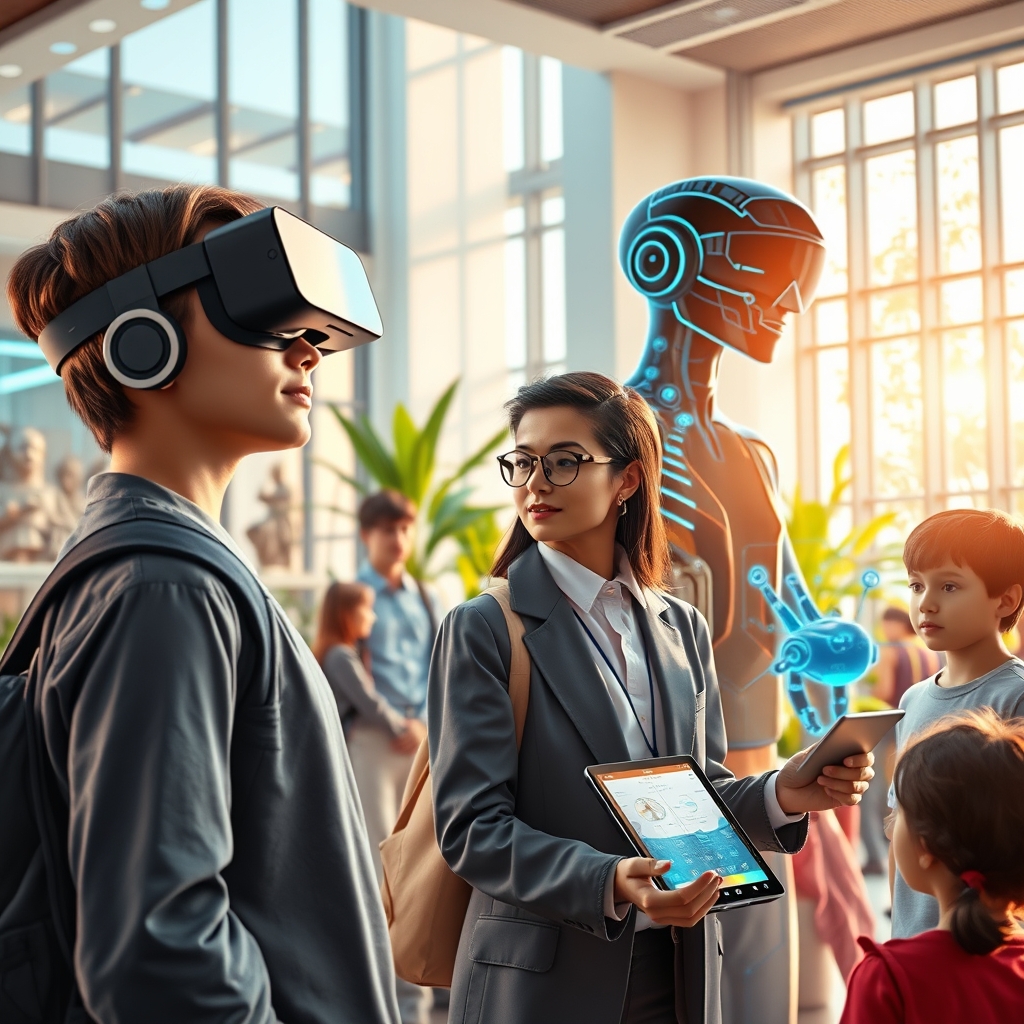
The traditional boundaries of education are dissolving. No longer confined to brick-and-mortar institutions or rigid schedules, learning has become a dynamic, personalized, and continuous journey. At the heart of this transformation are EdTech innovations, which are not just enhancing education but fundamentally reimagining how, when, and where we acquire knowledge. From AI-powered learning to virtual reality classrooms, these advancements are making lifelong learning more accessible, engaging, and tailored to individual needs.
The Rise of Personalized Learning Systems
One of the most significant shifts in modern education is the move toward personalized learning systems. Unlike the one-size-fits-all approach of traditional classrooms, these systems leverage data and adaptive teaching software to create customized learning experiences. By analyzing a learner’s strengths, weaknesses, and preferences, AI algorithms adjust the pace, difficulty, and content of lessons in real time. This ensures that each student receives the right level of challenge and support, maximizing their potential.
Platforms like Duolingo, Khan Academy, and Coursera have already integrated elements of personalization, but the future holds even more promise. Imagine a learning environment where an AI-powered tutor not only answers questions but also anticipates them, offering explanations before a student even realizes they’re struggling. This level of adaptability is no longer science fiction—it’s becoming a reality in classrooms and corporate training programs worldwide.
Immersive Experiences: Virtual and Augmented Reality in Education
If personalized learning is about tailoring content, virtual reality (VR) classrooms and augmented reality (AR) education are about transforming the way we interact with it. VR transports learners to entirely new environments, whether it’s a historical event, a scientific simulation, or a virtual dissection lab. AR, on the other hand, overlays digital information onto the real world, enhancing hands-on learning with interactive elements.
For example, medical students can practice surgeries in a risk-free VR environment, while engineering students can manipulate 3D models of complex machinery using AR. These technologies don’t just make learning more engaging—they make it more effective. Studies have shown that immersive experiences improve retention and understanding, particularly for complex or abstract concepts. As VR and AR become more affordable and widespread, their role in education will only grow.
The Gamification Revolution
Learning doesn’t have to feel like a chore. Gamification in learning harnesses the power of game design to motivate and engage students. By incorporating elements like points, badges, leaderboards, and challenges, educators can turn even the driest subjects into interactive and competitive experiences. This approach is particularly effective for younger learners, but its benefits extend to all age groups.
Platforms like Kahoot! and Quizlet have popularized gamified quizzes, while more advanced systems use storytelling and role-playing to teach everything from coding to corporate compliance. The key to gamification’s success lies in its ability to tap into intrinsic motivation. When learners feel a sense of achievement and progress, they’re more likely to stay committed and retain information.
Micro-Credentials and Flexible Learning Paths
The traditional degree is no longer the only path to success. In today’s fast-paced world, micro-credentials and skill-based certifications are gaining traction as viable alternatives. These bite-sized qualifications allow learners to acquire specific skills quickly and affordably, often through microlearning courses that can be completed in hours or days rather than years.
Digital badges, issued by platforms like LinkedIn Learning and edX, provide a way to showcase these skills to employers. This shift toward flexible learning paths is particularly valuable in industries where skills evolve rapidly, such as technology and healthcare. It also democratizes education, making it possible for working professionals to upskill or reskill without committing to a full degree program.
Hybrid and Blended Learning: The Best of Both Worlds
The COVID-19 pandemic accelerated the adoption of hybrid learning models and blended learning solutions, but their benefits extend far beyond crisis response. These models combine the structure of traditional classrooms with the flexibility of online learning, offering students the best of both worlds. For example, a university might offer in-person lectures supplemented by online discussions, interactive ebooks, and virtual tutors.
This approach is particularly effective for lifelong learning programs, where adult learners juggle education with work and family commitments. By allowing students to learn at their own pace and on their own schedule, hybrid and blended models make education more accessible and sustainable over the long term.
The Future of Corporate Training
Education isn’t just for students. In the corporate world, online corporate training is undergoing a similar transformation. Companies are increasingly turning to EdTech to deliver scalable, engaging, and effective training programs. From mobile learning apps that allow employees to learn on the go to VR simulations that train workers for high-stakes scenarios, the possibilities are endless.
One of the most exciting developments in this space is the use of AI to personalize training programs. By analyzing an employee’s role, performance, and career goals, AI can recommend courses, track progress, and even predict future skill gaps. This not only improves the effectiveness of training but also helps companies stay ahead in an ever-changing business landscape.
As technology continues to evolve, so too will the ways we learn. The tools and platforms emerging today are just the beginning. Whether it’s through AI tutors, VR classrooms, or micro-credentials, the future of education is one where learning is not just a phase of life but a lifelong adventure. The question is no longer whether we can adapt to these changes, but how quickly we can embrace them to unlock our full potential.



