
The Future of Learning: AI and Beyond
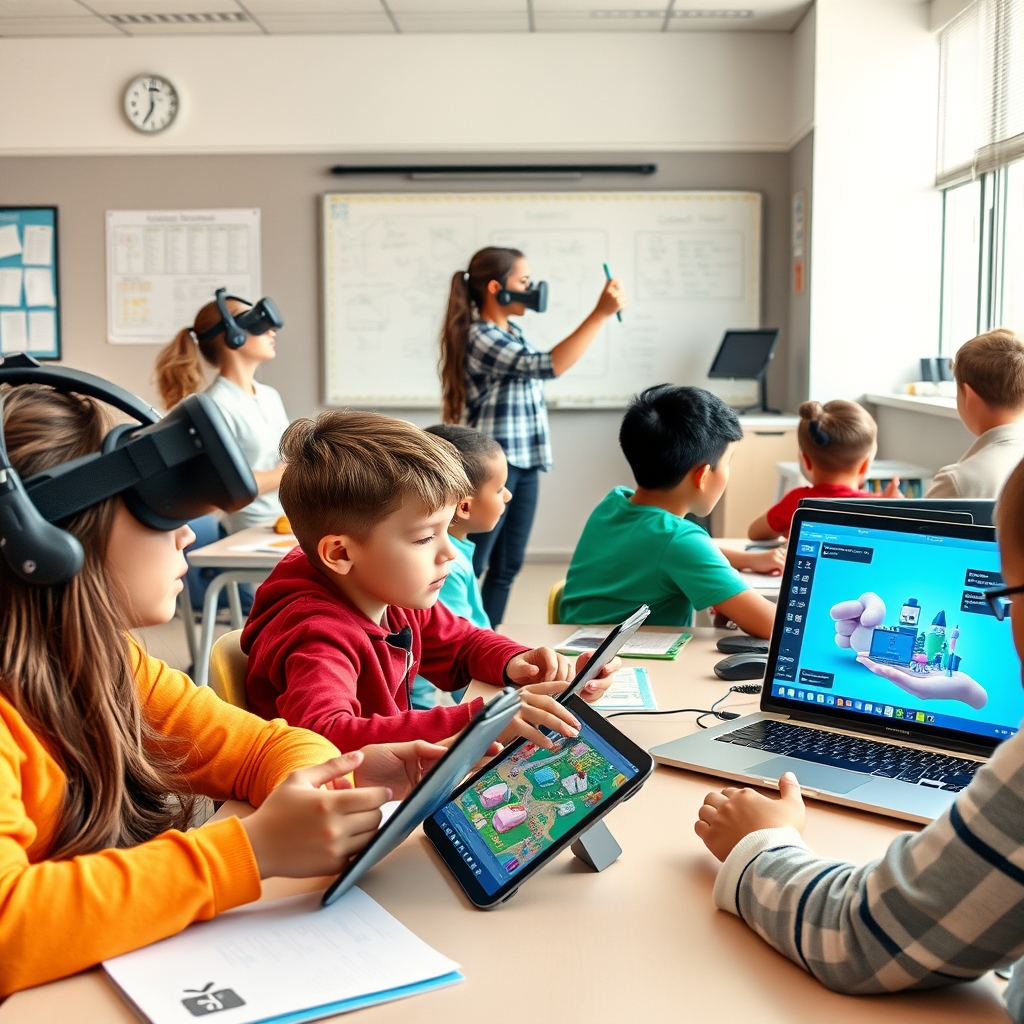
In the ever-evolving landscape of education, technology has become an indispensable tool, transforming traditional classrooms into dynamic, interactive learning environments. The integration of AI-powered learning, personalized learning systems, and virtual reality classrooms is revolutionizing the way we acquire knowledge and skills.
AI-Powered Learning
Artificial Intelligence (AI) is at the forefront of this educational revolution. AI-powered learning platforms use machine learning algorithms to analyze student data, identify learning patterns, and provide personalized recommendations. These systems adapt to the learner’s pace and style, ensuring that each student receives a tailored educational experience.
Personalized Learning Systems
Personalized learning systems take AI-powered learning a step further by creating individualized learning paths. These systems use data from various sources, including assessments, quizzes, and even social media interactions, to understand a student’s strengths and weaknesses. By doing so, they can offer customized content that aligns with the student’s unique needs and goals.
Virtual Reality Classrooms
Virtual Reality (VR) classrooms are another groundbreaking innovation. Imagine stepping into a virtual lab to conduct experiments or exploring historical sites without leaving your home. VR classrooms provide immersive learning experiences that engage students in ways traditional methods cannot. They offer a safe and controlled environment for students to practice and apply what they’ve learned.
Augmented Reality Education
Augmented Reality (AR) education complements VR by overlaying digital information onto the real world. AR apps can bring textbooks to life, allowing students to interact with 3D models of complex concepts. This hands-on approach enhances understanding and retention, making learning more enjoyable and effective.
Gamification in Learning
Gamification in learning leverages the engaging nature of games to make education more interactive and fun. By incorporating elements like points, badges, and leaderboards, gamified learning platforms motivate students to participate actively. This approach not only improves engagement but also fosters a sense of achievement and competition.
Micro Credentials and Digital Badges
Micro credentials and digital badges are gaining popularity as a way to recognize and validate specific skills and achievements. These digital certificates can be earned through microlearning courses, which focus on short, targeted learning modules. They provide a flexible and efficient way for learners to acquire and demonstrate new skills.
Hybrid Learning Models
Hybrid learning models combine the best of both worlds: traditional classroom instruction and online learning. This approach offers flexibility, allowing students to learn at their own pace while still benefiting from face-to-face interactions. Hybrid models are particularly effective in corporate training online, where employees can balance work and learning.
Flexible Learning Paths
Flexible learning paths are designed to accommodate the diverse needs and schedules of learners. These paths allow students to choose their own pace and sequence of learning, making education more accessible and adaptable. Whether through adaptive teaching software or mobile learning apps, flexible learning paths ensure that education is tailored to the individual.
Lifelong Learning Programs
Lifelong learning programs emphasize the importance of continuous education and skill development. These programs are designed to help individuals stay relevant in a rapidly changing job market. With the rise of virtual tutors and interactive ebooks, lifelong learning has become more accessible and engaging than ever before.
Skill-Based Certifications
Skill-based certifications focus on the practical application of knowledge rather than theoretical understanding. These certifications, often earned through online degree programs or corporate training, validate a learner’s ability to perform specific tasks. They are highly valued by employers, as they demonstrate real-world competence.
As we look to the future, it’s clear that technology will continue to shape the way we learn. From AI-powered learning to virtual reality classrooms, the possibilities are endless. Embracing these innovations will not only enhance our educational experiences but also prepare us for a world where continuous learning is the key to success. The journey of education is no longer a linear path but a dynamic, ever-evolving adventure, where each learner can chart their own course and achieve their full potential.



