
The Transformative Power of AI in Education: Crafting Personalized, Immersive Learning Experiences
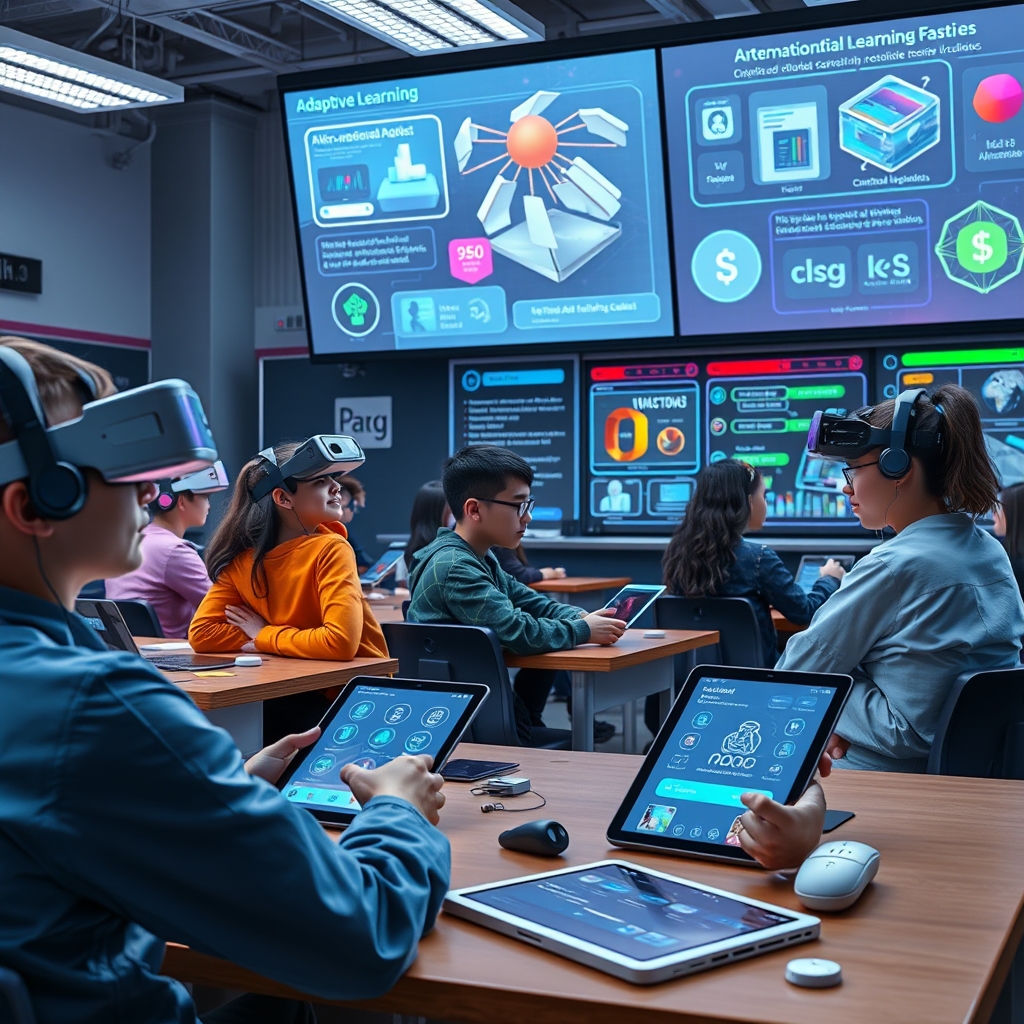
In the ever-evolving landscape of education, one technology stands out as a beacon of innovation: Artificial Intelligence (AI). AI is not just a tool; it is a catalyst that is reshaping the way we learn, teach, and interact with knowledge. From personalized learning systems to virtual reality classrooms, AI is crafting an educational experience that is as dynamic as it is transformative.
Personalized Learning Systems: Tailoring Education to the Individual
Gone are the days of one-size-fits-all education. With AI-powered learning systems, education is becoming increasingly personalized. These systems analyze a student’s strengths, weaknesses, and learning pace to create a tailored educational journey. Adaptive teaching software, for instance, adjusts the difficulty and content of lessons in real-time, ensuring that each student is challenged just enough to grow without feeling overwhelmed.
The Role of Virtual Reality in Crafting Immersive Classrooms
Virtual Reality (VR) is another frontier where AI is making significant strides. VR classrooms transport students to immersive, interactive environments where they can explore historical events, conduct scientific experiments, or even practice public speaking. This hands-on approach not only makes learning more engaging but also helps students retain information more effectively.
Augmented Reality: Bridging the Gap Between Digital and Physical Worlds
Augmented Reality (AR) takes the immersive experience a step further by overlaying digital information onto the physical world. AR education tools allow students to interact with 3D models, visualize complex concepts, and engage with content in a way that traditional textbooks cannot match. This blend of digital and physical learning creates a rich, multi-sensory experience that caters to different learning styles.
Gamification: Making Learning Fun and Engaging
Gamification is another area where AI is revolutionizing education. By integrating game-like elements into learning platforms, AI makes education more engaging and motivating. Digital badges and micro-credentials serve as tangible rewards for achieving milestones, fostering a sense of accomplishment and encouraging continuous learning. Interactive ebooks and mobile learning apps further enhance this experience by providing bite-sized, gamified content that can be accessed anytime, anywhere.
Hybrid Learning Models: The Best of Both Worlds
Hybrid learning models combine the flexibility of online learning with the structure of traditional classroom settings. AI plays a crucial role in these models by providing adaptive teaching software that supports both in-person and remote learning. This approach allows students to learn at their own pace while still benefiting from the social interaction and guidance of a classroom environment.
Microlearning and Corporate Training: Upskilling in the Digital Age
In the corporate world, AI is transforming training programs through microlearning. Microlearning courses break down complex topics into manageable, bite-sized modules that can be easily digested. This approach is particularly effective for busy professionals who need to upskill or reskill quickly. Virtual tutors and AI-powered learning platforms provide personalized support, ensuring that employees receive the training they need to succeed in a rapidly changing work environment.
As we look to the future, it is clear that AI will continue to play a pivotal role in education. From personalized learning systems to immersive VR classrooms, AI is crafting an educational experience that is as dynamic as it is transformative. By embracing these innovations, we can create a learning environment that is not only more engaging and effective but also more inclusive and accessible to all. The journey of learning is no longer a linear path but a vibrant, ever-evolving landscape where every student can thrive.



