
The Future of Learning: A Deep Dive into AI-Powered Education
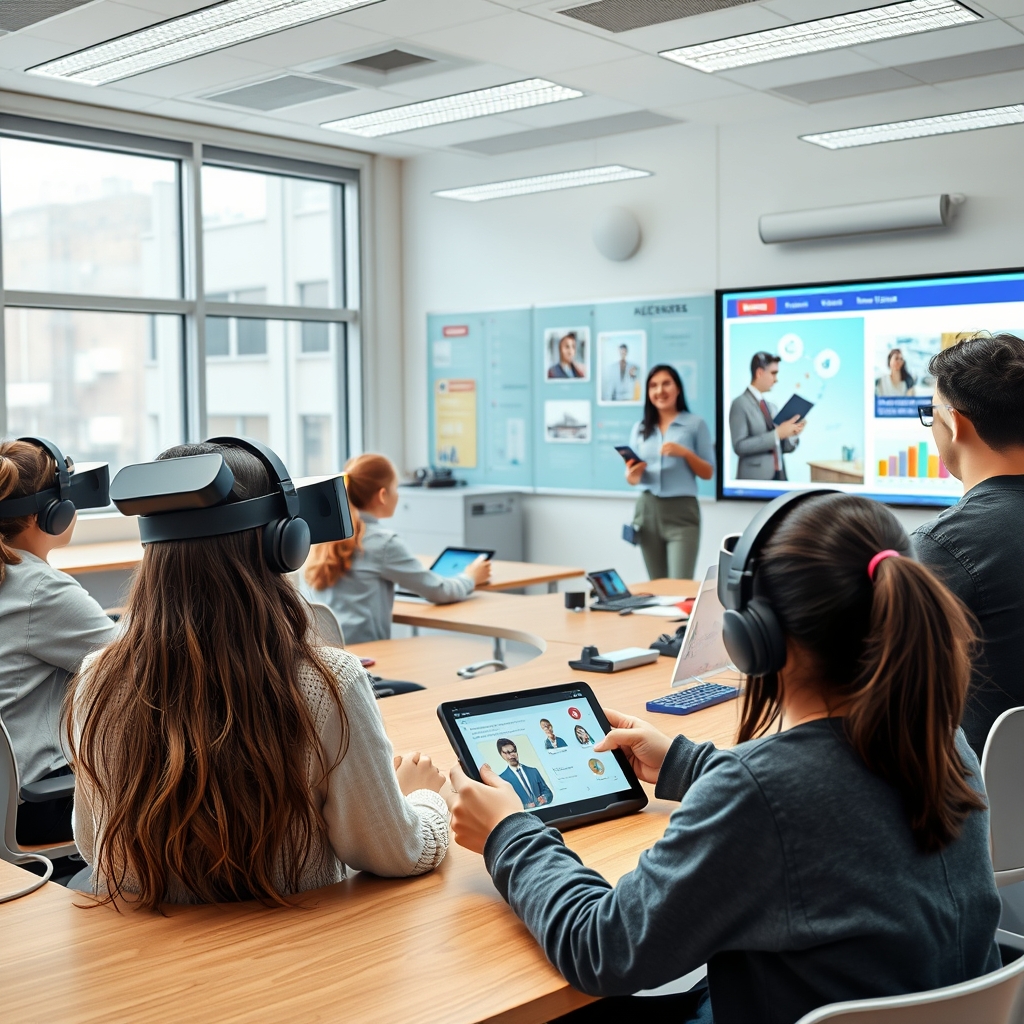
In the rapidly evolving landscape of education, technology is not just a tool but a transformative force. AI-powered learning, personalized learning systems, and virtual reality classrooms are revolutionizing the way we acquire knowledge and skills. This article explores the cutting-edge innovations that are shaping the future of education.
AI-Powered Learning: The New Frontier
Artificial Intelligence (AI) is at the forefront of educational innovation. AI-powered learning systems use machine learning algorithms to analyze student performance and adapt instructional content in real-time. This personalized approach ensures that each student receives a tailored learning experience, addressing their unique strengths and weaknesses.
One of the most exciting applications of AI in education is the development of virtual tutors. These intelligent systems can provide immediate feedback, answer questions, and offer additional resources, creating a more engaging and effective learning environment. Virtual tutors are available 24/7, making education accessible anytime, anywhere.
Personalized Learning Systems: Tailored Education
Personalized learning systems take AI-powered learning a step further by creating customized learning paths for each student. These systems use data analytics to track student progress and adjust the curriculum accordingly. By focusing on individual needs, personalized learning systems help students achieve their full potential.
Augmented reality (AR) and virtual reality (VR) are also playing a significant role in personalized learning. AR and VR technologies create immersive learning experiences that make complex concepts more accessible and engaging. For example, students can explore historical events, conduct virtual science experiments, or practice language skills in a simulated environment.
Gamification in Learning: Making Education Fun
Gamification is another powerful tool in the edtech arsenal. By incorporating game elements into educational content, gamification makes learning more enjoyable and motivating. Students can earn points, badges, and other rewards as they progress through their coursework, fostering a sense of achievement and competition.
Microlearning courses and microcredentials are also gaining popularity. These short, focused learning modules allow students to acquire specific skills quickly and efficiently. Digital badges and skill-based certifications provide tangible evidence of these new competencies, making it easier for students to showcase their abilities to employers.
Hybrid Learning Models: The Best of Both Worlds
Hybrid learning models combine the benefits of traditional classroom instruction with the flexibility of online learning. This approach allows students to attend classes in person while also accessing digital resources and interactive tools. Hybrid learning models are particularly effective in corporate training online, where employees can balance their work responsibilities with professional development.
Mobile learning apps further enhance the flexibility of hybrid learning models. These apps provide on-the-go access to educational content, making it easy for students to learn anytime, anywhere. Whether commuting to work or taking a break between meetings, students can use mobile learning apps to stay engaged and up-to-date with their coursework.
Lifelong Learning Programs: Continuous Education
Lifelong learning programs are designed to support continuous education throughout a person’s life. These programs offer a variety of courses and certifications, allowing individuals to stay current with the latest industry trends and technologies. Lifelong learning programs are particularly valuable in fields that require ongoing professional development, such as healthcare, technology, and business.
Interactive ebooks are another innovative tool in lifelong learning programs. These digital textbooks combine text, images, and multimedia elements to create an engaging and interactive learning experience. Interactive ebooks can include quizzes, videos, and simulations, making it easier for students to understand and retain complex information.
Online degree programs are also becoming more prevalent, offering students the flexibility to earn a degree from anywhere in the world. These programs use a combination of synchronous and asynchronous learning methods, allowing students to balance their studies with work and family responsibilities. Online degree programs are particularly popular among working professionals who want to advance their careers without taking a break from their jobs.
The future of education is bright and full of possibilities. AI-powered learning, personalized learning systems, and virtual reality classrooms are just a few of the innovations that are transforming the way we learn. As technology continues to advance, so too will the opportunities for students to acquire knowledge and skills in new and exciting ways. Embracing these innovations will not only enhance the learning experience but also prepare students for the challenges and opportunities of the 21st century.



