
The Future of Learning: A Deep Dive into AI-Powered Education
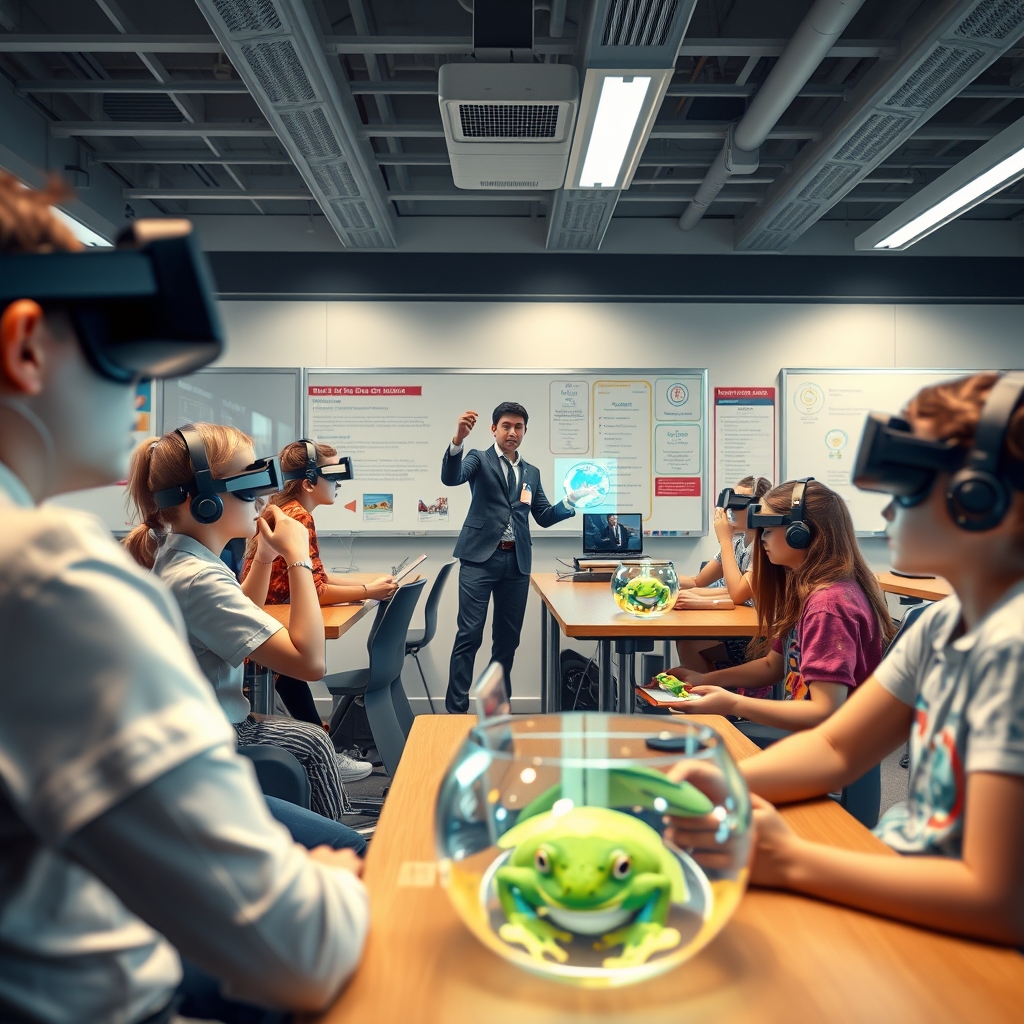
In the rapidly evolving landscape of education, technology is not just a tool but a transformative force. AI-powered learning, personalized learning systems, and immersive technologies like virtual reality (VR) and augmented reality (AR) are revolutionizing the way we acquire knowledge and skills. This article explores the cutting-edge innovations that are shaping the future of education, from gamification and microcredentials to hybrid learning models and mobile learning apps.
AI-Powered Learning: Personalized and Adaptive
AI-powered learning systems are at the forefront of educational innovation. These systems use machine learning algorithms to analyze student data and provide personalized learning paths. Adaptive teaching software adjusts the difficulty and content of lessons in real-time, ensuring that each student receives an education tailored to their unique needs and pace.
Imagine a classroom where every student has a virtual tutor that understands their strengths and weaknesses. This is not a distant dream but a reality made possible by AI. Virtual tutors can provide instant feedback, offer additional resources, and even predict areas where a student might struggle, allowing for proactive intervention.
Virtual Reality Classrooms: Immersive Learning Experiences
Virtual reality classrooms are another groundbreaking innovation. VR technology transports students to immersive learning environments, whether it’s exploring ancient civilizations, conducting virtual science experiments, or practicing medical procedures in a safe, controlled setting. This hands-on, experiential learning approach enhances engagement and retention, making complex concepts more accessible and enjoyable.
Augmented Reality Education: Bridging the Gap Between Theory and Practice
Augmented reality (AR) education takes learning beyond the confines of textbooks and screens. By overlaying digital information onto the physical world, AR brings abstract concepts to life. For example, students can use AR to dissect virtual frogs in biology class or visualize historical events in their own backyard. This interactive approach not only makes learning more engaging but also helps students understand and remember information more effectively.
Gamification in Learning: Making Education Fun and Engaging
Gamification in learning leverages the principles of game design to make education more enjoyable and motivating. By incorporating elements like points, badges, and leaderboards, educators can transform traditional lessons into interactive challenges. This approach not only increases student engagement but also fosters a growth mindset, encouraging students to take risks and learn from failures.
Microcredentials and Digital Badges: Recognizing Skills and Achievements
Microcredentials and digital badges are gaining traction as a way to recognize and validate specific skills and achievements. These digital credentials can be earned through microlearning courses, online degree programs, and corporate training online. They provide a flexible and portable way to showcase expertise, making it easier for individuals to advance their careers and for employers to identify qualified candidates.
Hybrid Learning Models: Blending Traditional and Digital Education
Hybrid learning models combine the best of traditional classroom instruction with the flexibility of digital education. This approach allows students to benefit from face-to-face interactions while also having access to a wealth of online resources. Hybrid learning is particularly effective for lifelong learning programs, as it accommodates the diverse needs and schedules of adult learners.
Flexible Learning Paths: Tailoring Education to Individual Needs
Flexible learning paths are designed to meet the unique needs and goals of each student. Whether it’s through personalized learning systems or adaptive teaching software, flexible learning paths ensure that students can progress at their own pace and focus on the areas that matter most to them. This approach is particularly valuable in corporate training online, where employees need to acquire specific skills to excel in their roles.
Mobile Learning Apps: Education on the Go
Mobile learning apps bring education to the palm of your hand. These apps offer a convenient way to access learning materials, participate in interactive lessons, and track progress. Whether you’re commuting, waiting in line, or relaxing at home, mobile learning apps make it easy to fit education into your busy schedule. This accessibility is crucial for lifelong learning programs, as it allows individuals to continuously update their skills and knowledge.
Interactive Ebooks: Enhancing Traditional Reading Materials
Interactive ebooks are transforming traditional reading materials into dynamic, engaging experiences. By incorporating multimedia elements like videos, quizzes, and interactive simulations, interactive ebooks make learning more immersive and effective. This approach is particularly useful for skill-based certifications, as it provides a comprehensive and engaging way to acquire and demonstrate expertise.
The future of education is bright and full of possibilities. From AI-powered learning and virtual reality classrooms to gamification and microcredentials, these innovations are making education more personalized, engaging, and accessible than ever before. As we continue to embrace these technologies, we are not just preparing students for the future; we are empowering them to shape it. The journey of learning is no longer a linear path but a dynamic, interactive experience that adapts to the unique needs and aspirations of each individual. This is the future of education, and it is within our grasp.



