
The Future of Education: Embracing AI-Powered Learning
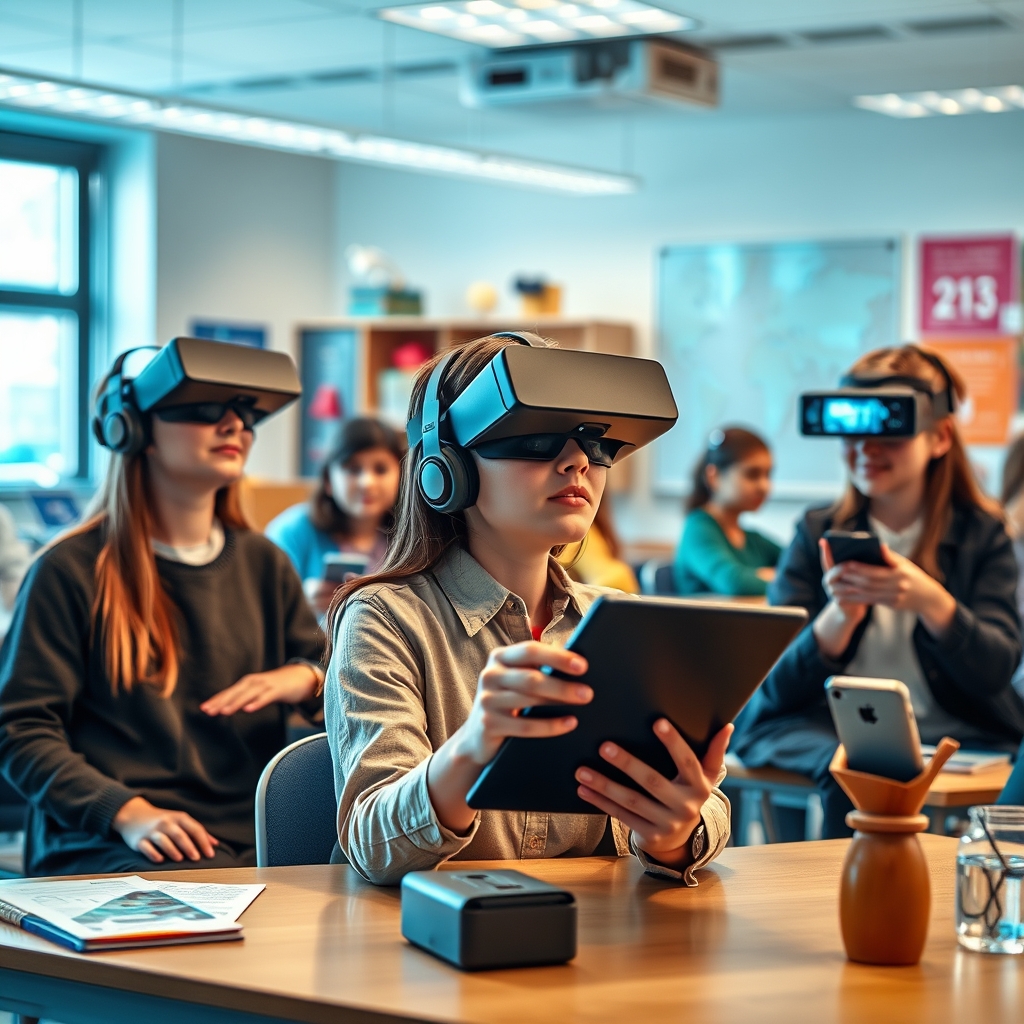
In the ever-evolving landscape of education, one thing is clear: the future is digital. As we stand on the precipice of a new era, AI-powered learning is not just a buzzword; it’s a revolution that’s transforming classrooms and empowering learners worldwide.
The Power of Personalization
Imagine a classroom where every student receives a tailored learning experience, designed just for them. This is the promise of personalized learning systems, which leverage AI to adapt to each student’s unique needs, pace, and learning style. No more one-size-fits-all education; instead, a dynamic, flexible approach that ensures every learner can thrive.
Virtual Reality Classrooms
Step into a virtual reality classroom, and you’re no longer confined by the four walls of a traditional school. VR technology transports students to immersive, interactive environments where they can explore historical events, conduct scientific experiments, or even travel to distant planets. This isn’t just learning; it’s an adventure.
Augmented Reality Education
Augmented reality, on the other hand, brings the classroom to life by overlaying digital information onto the physical world. With AR, students can dissect a virtual frog, examine the solar system in their backyard, or practice public speaking in front of a virtual audience. The possibilities are endless, and the engagement is unparalleled.
Gamification and Microlearning
Gamification in learning turns education into a game, complete with points, badges, and leaderboards. This approach taps into our innate desire for competition and achievement, making learning fun and motivating. Meanwhile, microlearning courses break down complex topics into bite-sized chunks, perfect for our fast-paced, attention-deficit world.
Micro Credentials and Digital Badges
In the digital age, traditional degrees are no longer the only path to success. Micro credentials and digital badges offer a flexible, skill-based alternative. These bite-sized certifications prove specific competencies, making them invaluable for both students and professionals looking to upskill or reskill.
Hybrid Learning Models and Flexible Paths
Hybrid learning models blend the best of both worlds: the flexibility of online learning and the social interaction of in-person classes. This approach caters to diverse learning needs and preferences, ensuring that education is accessible to all. Meanwhile, flexible learning paths allow students to chart their own course, choosing subjects and skills that align with their interests and career goals.
Adaptive Teaching Software
Adaptive teaching software uses AI to analyze student performance and adjust the curriculum in real-time. This ensures that every student is challenged at the right level, neither bored nor overwhelmed. It’s like having a personal tutor for every student, guiding them through their learning journey.
Mobile Learning Apps
With mobile learning apps, education is always at your fingertips. Whether you’re commuting, waiting in line, or relaxing at home, you can learn anytime, anywhere. These apps make education convenient, accessible, and engaging, fitting seamlessly into our digital lifestyles.
As we embrace these edtech innovations, we’re not just transforming education; we’re democratizing it. We’re breaking down barriers, making learning accessible to all, and empowering individuals to take control of their educational journey. This is the future of education, and it’s happening now. So, let’s embrace it, let’s innovate, and let’s create a world where every learner can thrive.



