
The Evolution of Learning: How AI and Immersive Tech Are Crafting the Future of Skill Acquisition
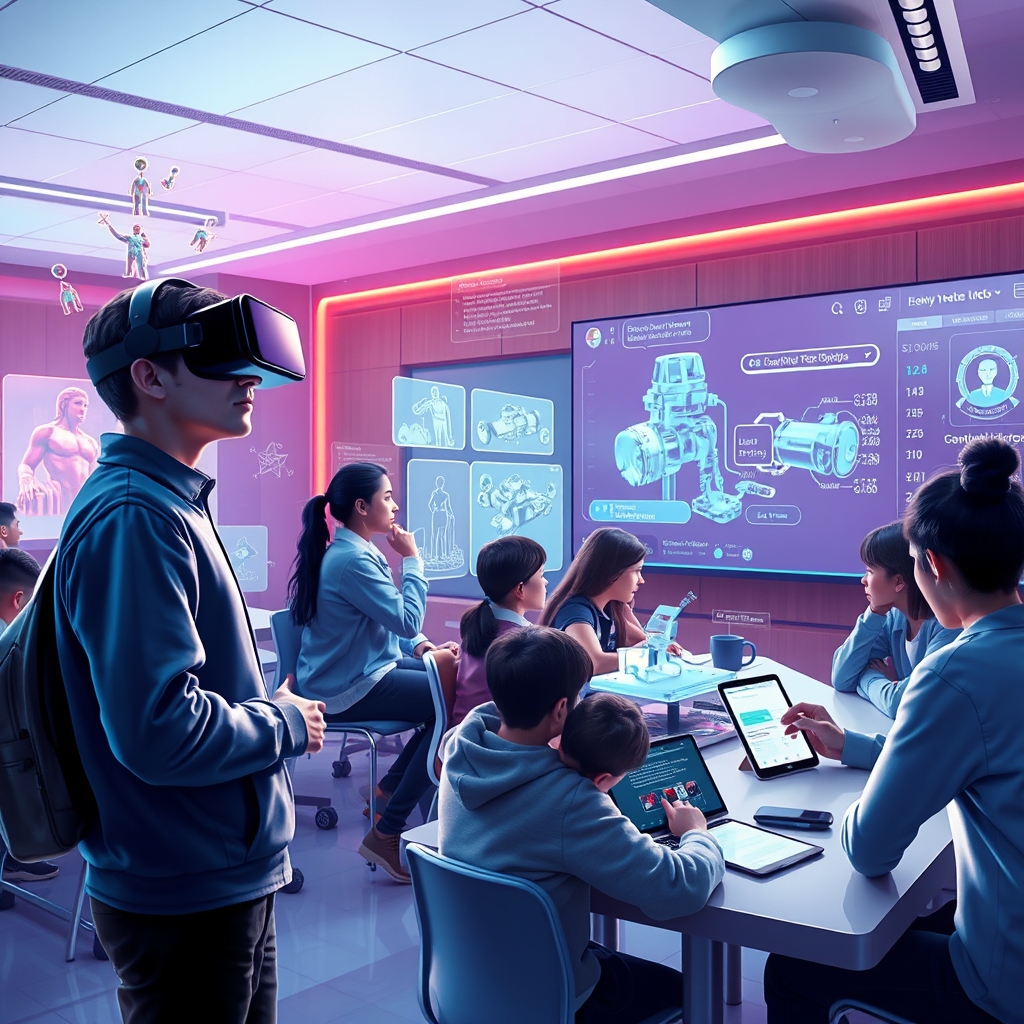
The landscape of education and skill acquisition is undergoing a seismic shift, driven by advancements in artificial intelligence (AI) and immersive technologies. Gone are the days when learning was confined to static textbooks and one-size-fits-all classrooms. Today, the fusion of AI-powered learning systems, virtual reality (VR), augmented reality (AR), and gamification is creating dynamic, personalized, and engaging educational experiences that adapt to the needs of each learner. This transformation is not just redefining how we learn but also what it means to acquire and master new skills in an ever-evolving world.
The Rise of Personalized Learning Systems
At the heart of this educational revolution lies the concept of personalized learning. Traditional education models often struggle to accommodate the diverse learning styles, paces, and preferences of individual students. AI-powered learning systems, however, are changing the game by leveraging data and machine learning algorithms to tailor educational content to the unique needs of each learner. These systems analyze a student’s performance, identify strengths and weaknesses, and adjust the curriculum in real-time to optimize comprehension and retention.
For instance, adaptive teaching software can dynamically modify the difficulty of questions, provide targeted feedback, and even suggest additional resources based on a learner’s progress. This level of personalization ensures that students are neither bored by material that is too easy nor overwhelmed by content that is too challenging. The result is a more efficient and effective learning experience that maximizes engagement and outcomes.
Immersive Technologies: Bridging the Gap Between Theory and Practice
While AI-driven personalization is transforming the way educational content is delivered, immersive technologies like virtual reality (VR) and augmented reality (AR) are revolutionizing how that content is experienced. VR classrooms, for example, transport students to entirely new environments—whether it’s a historical battlefield, the surface of Mars, or the inner workings of a human cell. These immersive experiences make abstract concepts tangible, fostering deeper understanding and retention.
Augmented reality, on the other hand, overlays digital information onto the real world, creating interactive and engaging learning experiences. Imagine a medical student using AR to visualize the human anatomy in 3D or an engineering student manipulating virtual components to understand complex machinery. AR not only enhances comprehension but also bridges the gap between theoretical knowledge and practical application, making learning more relevant and impactful.
The Role of Gamification in Modern Learning
Gamification—the integration of game-like elements into non-game contexts—is another powerful tool reshaping education. By incorporating features such as points, badges, leaderboards, and challenges, gamification makes learning more engaging and motivating. It taps into the natural human desire for competition, achievement, and reward, transforming even the most mundane subjects into exciting and interactive experiences.
For example, language learning apps like Duolingo use gamification to encourage daily practice and progress tracking. Similarly, corporate training programs leverage gamified modules to enhance employee engagement and knowledge retention. The result is a learning environment that feels less like a chore and more like an adventure, driving higher participation and better outcomes.
Micro-Credentials and Digital Badges: The Future of Skill Validation
As the demand for continuous learning grows, so does the need for flexible and accessible ways to validate skills. Enter micro-credentials and digital badges—compact, focused certifications that recognize specific competencies. Unlike traditional degrees, which can take years to complete, micro-credentials can be earned in a matter of weeks or months, making them ideal for professionals looking to upskill or reskill quickly.
Digital badges, often issued through online platforms, provide a verifiable and shareable record of a learner’s achievements. They can be displayed on professional networks like LinkedIn, giving employers a clear and immediate understanding of an individual’s skills. This shift toward skill-based certifications is democratizing education, making it more accessible and relevant to the needs of the modern workforce.
Hybrid Learning Models: The Best of Both Worlds
The COVID-19 pandemic accelerated the adoption of hybrid learning models, which blend traditional in-person instruction with online learning. These models offer the flexibility of remote education while preserving the benefits of face-to-face interaction. AI plays a crucial role in hybrid learning by enabling adaptive software to personalize online components, ensuring that students receive the support they need, whether they’re in a physical classroom or learning from home.
Hybrid learning also caters to the diverse needs of learners, allowing them to choose the mode of instruction that best suits their lifestyle and preferences. For working professionals, this flexibility is invaluable, enabling them to balance education with career and personal commitments. As hybrid models continue to evolve, they are likely to become a permanent fixture in the educational landscape, offering a versatile and inclusive approach to learning.
The Promise of Lifelong Learning Programs
In a world where technological advancements and industry disruptions are the norm, the concept of lifelong learning has never been more critical. Lifelong learning programs, powered by AI and immersive technologies, provide individuals with the tools and resources they need to continuously adapt and grow. These programs are designed to be flexible, accessible, and tailored to the evolving needs of learners, ensuring that education remains a lifelong pursuit rather than a finite endeavor.
Virtual tutors, for example, offer on-demand support and guidance, helping learners navigate complex subjects and stay motivated. Mobile learning apps provide bite-sized lessons that can be accessed anytime, anywhere, making it easier for individuals to fit learning into their busy schedules. Meanwhile, microlearning courses break down complex topics into manageable chunks, allowing learners to focus on one concept at a time and build their knowledge incrementally.
The future of learning is not just about acquiring knowledge but about fostering a mindset of continuous growth and adaptability. As AI and immersive technologies continue to advance, they will play an increasingly central role in shaping educational experiences that are personalized, engaging, and accessible to all. The tools and systems we have today are just the beginning—what lies ahead is a world where learning is not just a means to an end but a lifelong journey of discovery and empowerment. The possibilities are limitless, and the evolution of learning has only just begun.



