
The Synergy of Synchronous and Asynchronous Learning: Crafting the Ideal Digital Learning Environment
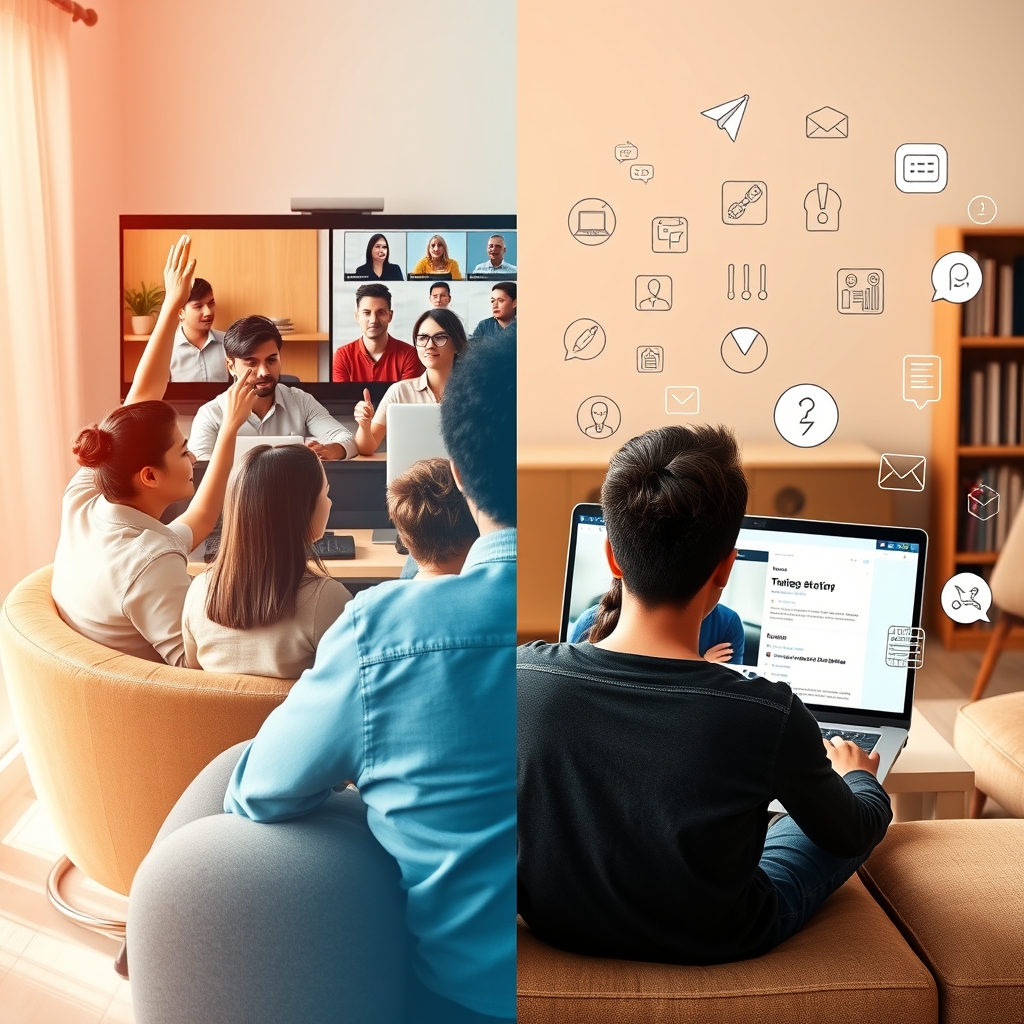
The landscape of education has undergone a seismic shift in the past decade, with digital learning environments becoming the new norm rather than the exception. As institutions and learners alike adapt to this evolution, the debate between synchronous and asynchronous learning models has taken center stage. While each approach offers distinct advantages, the true potential of modern education lies in their synergy, creating a dynamic and inclusive learning experience that caters to diverse needs and lifestyles.
The Foundations of Synchronous Online Classes
Synchronous online classes mirror the traditional classroom experience in many ways, with real-time interaction between instructors and students. These sessions, often facilitated through video conferencing tools like Zoom or Microsoft Teams, enable immediate feedback, lively discussions, and a sense of community that can be challenging to replicate in other formats. For subjects requiring collaboration, such as group projects or interactive workshops, synchronous learning provides an invaluable platform for engagement and teamwork.
One of the most significant benefits of synchronous learning is its ability to foster virtual student engagement. The structured nature of live sessions helps maintain a routine, which can be particularly beneficial for students who thrive on consistency. Additionally, the immediacy of synchronous classes allows instructors to gauge understanding in real-time, addressing misconceptions or questions as they arise. This model is especially effective in disciplines like medicine, engineering, or the arts, where hands-on demonstrations and real-time problem-solving are critical.
Challenges and Considerations
Despite its advantages, synchronous learning is not without its challenges. Time zone differences can pose a significant barrier, making it difficult for students in different regions to participate in live sessions. Furthermore, the rigid scheduling of synchronous classes may not align with the needs of working professionals, parents, or individuals with other commitments. Technical issues, such as poor internet connectivity or hardware limitations, can also disrupt the learning experience, leading to frustration and disengagement.
The Flexibility of Asynchronous Classrooms
Asynchronous classrooms, on the other hand, offer unparalleled flexibility, allowing students to access course materials, lectures, and assignments at their own pace. This model is ideal for self-paced modules, where learners can progress through the content as quickly or slowly as they need, revisiting complex topics or accelerating through familiar ones. Platforms like Coursera, edX, and Khan Academy have popularized this approach, making education accessible to millions of learners worldwide.
The asynchronous model is particularly well-suited for individuals balancing education with work, family, or other responsibilities. It eliminates the constraints of fixed schedules, enabling students to learn when it is most convenient for them. This flexibility also extends to instructors, who can design and upload content in advance, reducing the pressure of real-time teaching. Moreover, asynchronous learning often incorporates a variety of multimedia resources, such as interactive video lectures, discussion forums, and digital quizzes, catering to different learning styles and preferences.
Addressing the Drawbacks
While asynchronous learning offers remarkable flexibility, it can sometimes lead to feelings of isolation or disengagement. The lack of real-time interaction may leave students feeling disconnected from their peers and instructors, which can impact motivation and persistence. To mitigate this, many platforms incorporate discussion boards, peer reviews, and collaborative projects to foster a sense of community. However, these measures may not fully replicate the immediacy and spontaneity of live interactions.
Hybrid Study Models: The Best of Both Worlds
Recognizing the strengths and limitations of both synchronous and asynchronous learning, many institutions are adopting hybrid study models that blend the two approaches. These models leverage the flexibility of asynchronous learning while incorporating synchronous elements to enhance engagement and interaction. For example, a course might include pre-recorded lectures and self-paced assignments, supplemented by live Q&A sessions, group discussions, or virtual office hours.
Hybrid models are particularly effective in creating a balanced digital learning environment. They allow students to benefit from the structure and community of synchronous classes while enjoying the autonomy and flexibility of asynchronous learning. This approach is especially valuable in distributed learning networks, where students from diverse backgrounds and locations can collaborate and learn together. Additionally, hybrid models can accommodate different learning preferences, ensuring that both introverted and extroverted students have opportunities to engage in ways that suit them best.
Educational Technology Tools Enhancing Hybrid Learning
The success of hybrid study models is largely dependent on the educational technology tools that support them. Learning management systems (LMS) like Canvas, Blackboard, and Moodle provide a centralized platform for delivering content, tracking progress, and facilitating communication. These systems often integrate with other tools, such as video conferencing software, interactive whiteboards, and cloud-based collaboration platforms, to create a seamless learning experience.
Interactive video lectures, for instance, can be enhanced with embedded quizzes, annotations, and discussion prompts, making them more engaging and interactive. Similarly, digital learning environments can incorporate gamification elements, such as badges, leaderboards, and progress trackers, to motivate students and reinforce learning. These tools not only enhance the learning experience but also provide instructors with valuable data on student performance, enabling them to tailor their teaching strategies to meet individual needs.
The Role of Virtual High Schools and Cyber Charter Schools
Virtual high schools and cyber charter schools have emerged as pioneers in the adoption of hybrid and asynchronous learning models. These institutions cater to students who may not thrive in traditional brick-and-mortar settings, offering flexible degree paths that accommodate diverse learning needs. For example, students with medical conditions, elite athletes, or those pursuing careers in the arts can benefit from the personalized and adaptable nature of online education.
Cyber charter schools, in particular, have gained popularity for their ability to provide a comprehensive K-12 education entirely online. These schools often combine asynchronous coursework with synchronous check-ins, virtual clubs, and extracurricular activities to create a well-rounded educational experience. By leveraging educational technology tools, they can offer interactive and engaging lessons that rival those of traditional schools, while also providing the flexibility that modern families often require.
As the boundaries of education continue to expand, the integration of synchronous and asynchronous learning models will play a pivotal role in shaping the future of learning. The digital learning environment is no longer a mere alternative to traditional education but a dynamic and evolving space that offers endless possibilities. By embracing the strengths of both approaches, educators can create inclusive, engaging, and effective learning experiences that prepare students for the challenges and opportunities of the 21st century. The key lies in recognizing that there is no one-size-fits-all solution, but rather a spectrum of possibilities that can be tailored to meet the unique needs of every learner. In this ever-changing landscape, the fusion of technology and pedagogy will continue to redefine what it means to learn, teach, and grow.



