
Beyond the Classroom Walls: How Open Schools Are Redefining Learning for the Modern Age
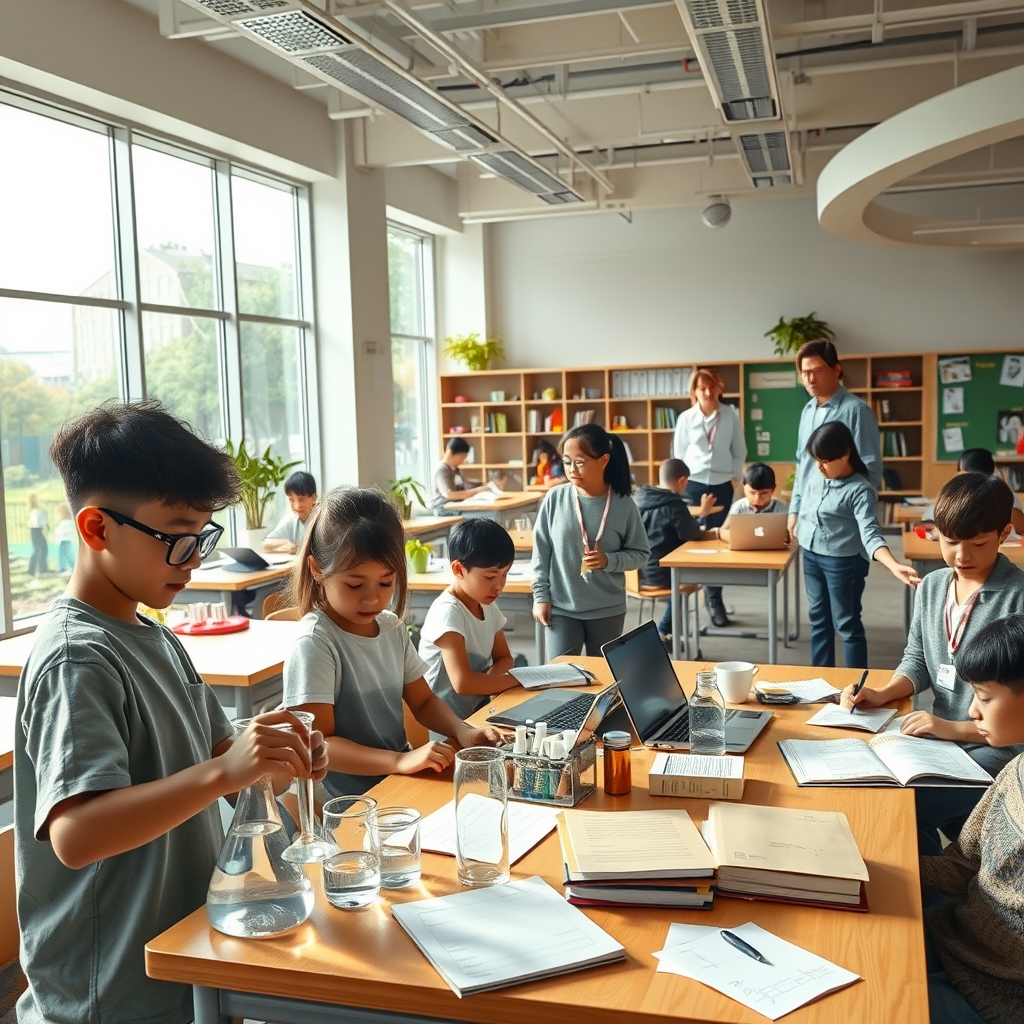
Education has long been confined to rigid structures—rows of desks, standardized tests, and a one-size-fits-all curriculum. But what if learning could break free from these constraints? Open schools are challenging traditional norms by prioritizing flexibility, autonomy, and student-driven exploration. These innovative models are not just alternative education options; they represent a fundamental shift in how we perceive knowledge, growth, and the very purpose of schooling.
The Philosophy Behind Open Schools
At the heart of open schooling lies a simple yet radical idea: education should adapt to the learner, not the other way around. Unlike conventional schools, which often enforce uniformity, open schools embrace diversity in learning styles, paces, and interests. This approach is rooted in the belief that students thrive when they have agency over their education, fostering intrinsic motivation and deeper engagement.
Open schools operate on principles of student-centered learning, where the curriculum is not a fixed path but a dynamic framework. Teachers act as facilitators rather than authoritarian figures, guiding students through personalized study plans that align with their strengths, passions, and goals. This model recognizes that no two learners are identical, and education should reflect that reality.
Flexible Curriculum: Learning Without Limits
A defining feature of open schools is their flexible curriculum, which allows students to explore subjects beyond the confines of traditional grade levels or subjects. Instead of being bound by rigid timelines, learners progress at their own pace, diving deeper into topics that captivate them while spending more time on areas that require additional attention. This self-paced education model ensures that no student is left behind or held back by arbitrary benchmarks.
For example, a student fascinated by marine biology might spend an entire semester designing an experiential learning project—perhaps partnering with local aquariums or conducting field research—while another might focus on mastering advanced mathematics through real-world applications. The curriculum bends to accommodate these passions, making learning not just a means to an end but a journey of discovery.
Breaking Down the Models: How Open Schools Operate
Open schooling isn’t a monolith; it encompasses a spectrum of models, each with its own unique approach to reimagining education. Some of the most influential include:
Democratic Schooling: Education by Consensus
In democratic schools, students and staff have an equal voice in decision-making, from curriculum design to school policies. These institutions operate on the principle that learners are capable of shaping their own educational experiences. Schools like Sudbury Valley School exemplify this model, where students direct their learning through autonomous student research and collaborative governance. The result? A community where responsibility and freedom go hand in hand.
Hybrid Learning Spaces: Blending the Best of Both Worlds
Hybrid learning spaces combine in-person and online education, offering the structure of traditional schooling with the flexibility of digital resources. These models leverage open educational resources (OER)—free, high-quality materials that students can access anytime, anywhere. By integrating technology, hybrid schools create inclusive classroom designs that accommodate diverse learning needs, whether a student thrives in a physical classroom or prefers the autonomy of remote study.
Competency-Based Progression: Mastery Over Memorization
Gone are the days when advancement was tied solely to seat time. In competency-based models, students progress by demonstrating mastery of skills and concepts, not by checking boxes on a calendar. This approach ensures that learners truly understand material before moving forward, reducing gaps in knowledge and boosting confidence. Schools like TeachThought advocate for this method, arguing that it prepares students for real-world challenges where competence, not compliance, is key.
Designing Inclusive and Adaptive Learning Environments
Open schools don’t just rethink what students learn—they also reimagine how learning spaces are designed. Inclusive classroom design prioritizes accessibility, collaboration, and comfort, recognizing that the physical environment plays a crucial role in engagement. Flexible seating, quiet zones, and interactive tech stations are common features, allowing students to choose settings that best suit their learning preferences.
Moreover, adaptive teaching strategies ensure that educators meet students where they are. Whether through differentiated instruction, project-based learning, or collaborative group work, teachers tailor their methods to individual needs. This adaptability is particularly beneficial for neurodivergent students or those with unique learning challenges, ensuring that education is truly for everyone.
The Role of Community and Experiential Learning
Education doesn’t happen in a vacuum. Open schools emphasize community-based education, forging partnerships with local organizations, experts, and businesses to provide real-world learning opportunities. Whether through internships, volunteer work, or experiential learning projects, students apply classroom knowledge to tangible problems, developing lifelong learning skills that extend far beyond academic achievement.
For instance, a student interested in environmental science might work with a local conservation group to restore a wetland, while another passionate about entrepreneurship could launch a small business with mentorship from community leaders. These experiences not only deepen learning but also foster a sense of purpose and connection to the world beyond school walls.
Challenges and Misconceptions
Despite their promise, open schools face skepticism. Critics argue that without structure, students may lack discipline or fall behind. However, proponents counter that open schooling doesn’t mean a lack of structure—it means a different kind of structure, one that prioritizes intrinsic motivation over external control. The key lies in balance: providing enough guidance to ensure progress while allowing enough freedom for exploration.
Another common misconception is that open schools are only for students who struggle in traditional settings. In reality, these models benefit a wide range of learners, from gifted students seeking acceleration to those who simply crave a more engaging, personalized approach. The goal isn’t to replace conventional schools but to expand the definition of what education can be.
As society evolves, so too must our approach to education. Open schools offer a glimpse into a future where learning is not a passive experience but an active, lifelong pursuit. By embracing flexibility, autonomy, and inclusivity, they equip students with the skills and mindset needed to navigate an ever-changing world. The question is no longer whether education can adapt, but how quickly we can make this transformation a reality for every learner.



