
The Future of Education: How AI and EdTech Are Redefining Learning
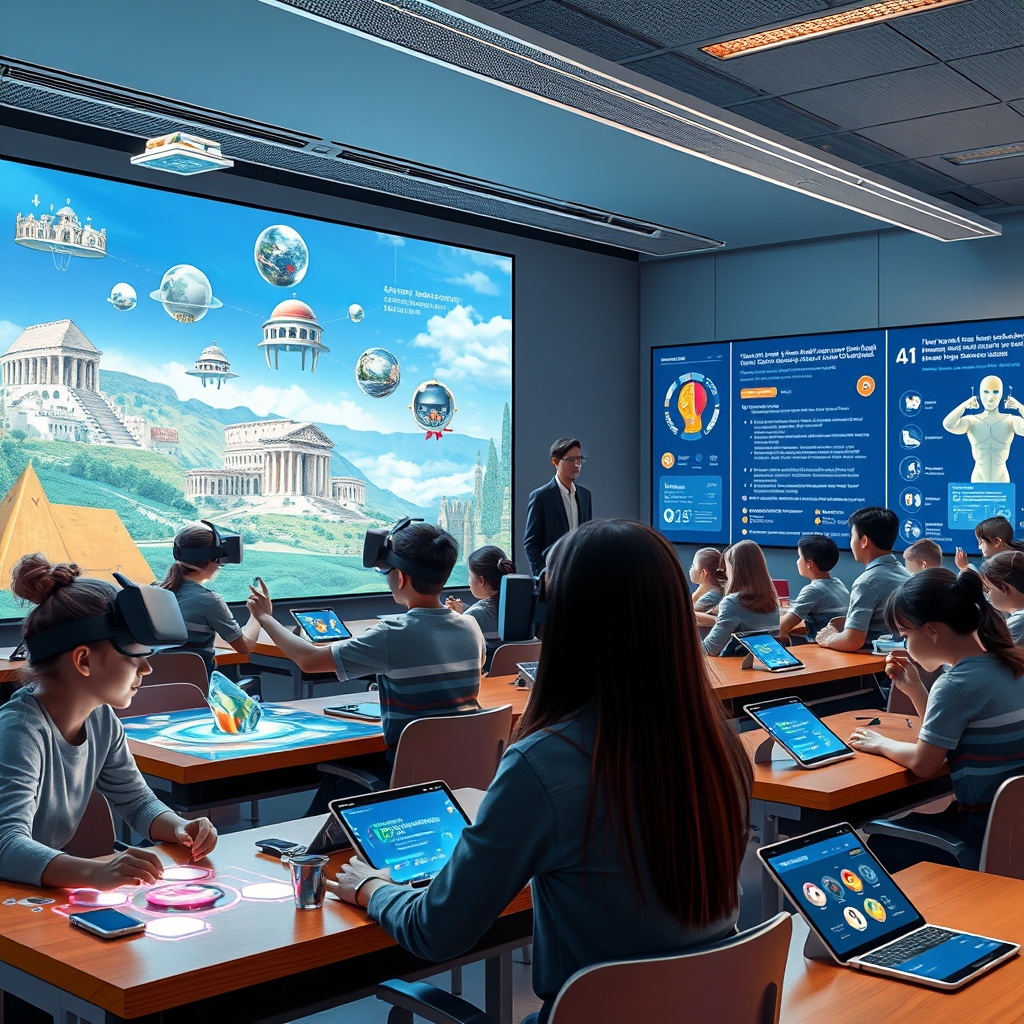
The landscape of education is undergoing a seismic shift, driven by rapid advancements in technology and a growing demand for flexible, personalized learning experiences. Traditional classrooms, once the cornerstone of education, are no longer the sole avenue for acquiring knowledge. Instead, a dynamic ecosystem of AI-powered learning, virtual reality classrooms, and adaptive teaching software is emerging, offering learners of all ages unprecedented opportunities to grow and evolve. This transformation is not just about digitizing education—it’s about reimagining it entirely.
The Rise of Personalized Learning Systems
One of the most significant breakthroughs in modern education is the advent of personalized learning systems. Unlike the one-size-fits-all approach of traditional education, these systems leverage artificial intelligence to tailor content, pace, and difficulty to the individual needs of each learner. By analyzing data such as performance, engagement levels, and learning styles, AI algorithms can dynamically adjust lessons to ensure optimal comprehension and retention. For example, platforms like Khan Academy and Duolingo use adaptive learning techniques to provide real-time feedback and customized pathways, making education more accessible and effective for diverse learners.
This shift toward personalization is particularly impactful for students who struggle in conventional settings. Whether due to learning disabilities, language barriers, or simply different paces of understanding, personalized systems ensure that no learner is left behind. Moreover, they empower educators to focus on mentorship and critical thinking rather than rote instruction, fostering a more engaging and collaborative learning environment.
Immersive Experiences: Virtual and Augmented Reality in Education
Imagine stepping into ancient Rome to witness the construction of the Colosseum or dissecting a virtual frog in biology class without the mess. Virtual reality (VR) classrooms and augmented reality (AR) education are making these experiences a reality, transforming abstract concepts into tangible, interactive learning opportunities. VR and AR technologies create immersive environments where students can explore, experiment, and engage with content in ways that were previously unimaginable.
For instance, medical students can practice surgeries in a risk-free virtual environment, while history students can take virtual tours of historical sites. AR, on the other hand, overlays digital information onto the physical world, enhancing textbooks with 3D models, animations, and interactive quizzes. These technologies not only make learning more engaging but also improve retention by appealing to multiple senses and learning styles. As VR and AR become more accessible, their integration into education will continue to blur the lines between the digital and physical worlds, creating a richer, more dynamic learning experience.
The Gamification Revolution
Gamification—the application of game-design elements in non-game contexts—is another powerful tool reshaping education. By incorporating elements such as points, badges, leaderboards, and challenges, gamification in learning transforms education into an engaging, motivating, and rewarding experience. Platforms like Kahoot!, Quizlet, and Classcraft use gamification to make learning fun, fostering healthy competition and collaboration among students.
The benefits of gamification extend beyond engagement. It also promotes skill development, such as problem-solving, critical thinking, and perseverance. For example, language learning apps like Memrise use gamified lessons to encourage consistent practice, while corporate training programs leverage gamification to enhance employee performance and retention. By tapping into the innate human desire for achievement and recognition, gamification makes learning an active and enjoyable process.
Micro-Credentials and the Future of Lifelong Learning
The traditional model of education, centered around degrees and diplomas, is evolving to meet the demands of a rapidly changing job market. Enter micro-credentials and digital badges—compact, skill-based certifications that validate specific competencies. Unlike traditional degrees, which can take years to complete, micro-credentials offer a flexible, targeted approach to learning, allowing individuals to upskill or reskill quickly and efficiently.
Platforms like Coursera, Udacity, and LinkedIn Learning offer micro-credentials in fields ranging from data science to digital marketing, providing learners with tangible proof of their skills. These credentials are particularly valuable in industries where continuous learning is essential, such as technology, healthcare, and business. Moreover, they enable professionals to stay competitive in their careers without the time and financial commitment of a full degree program. As the gig economy grows and job roles evolve, micro-credentials will play an increasingly vital role in bridging the skills gap and fostering lifelong learning.
Hybrid and Flexible Learning Models
The COVID-19 pandemic accelerated the adoption of hybrid learning models, blending in-person and online education to create a more flexible and resilient learning environment. Hybrid models offer the best of both worlds: the structure and social interaction of traditional classrooms, combined with the convenience and accessibility of digital learning. This approach is particularly beneficial for working professionals, parents, and non-traditional students who require flexibility in their education.
In addition to hybrid models, flexible learning paths are gaining traction, allowing learners to customize their educational journeys based on their goals, interests, and schedules. Whether through online degree programs, mobile learning apps, or microlearning courses, students can now access high-quality education anytime, anywhere. This flexibility is democratizing education, making it more inclusive and adaptable to the needs of a diverse global population.
The Role of AI and EdTech in Corporate Training
Education is not limited to academic institutions—it is also a critical component of professional development. Corporate training online has evolved significantly with the integration of AI and EdTech innovations. Companies are leveraging adaptive teaching software and virtual tutors to deliver personalized training programs that enhance employee skills and productivity. For example, AI-powered platforms like Cornerstone and Docebo use machine learning to recommend relevant courses, track progress, and provide real-time feedback, ensuring that training is both effective and engaging.
Moreover, skill-based certifications and interactive ebooks are becoming standard tools in corporate training, enabling employees to acquire new skills quickly and efficiently. These innovations not only improve job performance but also boost employee satisfaction and retention. As businesses continue to prioritize continuous learning, AI and EdTech will play a pivotal role in shaping the future of corporate training.
The fusion of technology and education is not just a trend—it’s a fundamental shift in how we learn, teach, and grow. From AI-driven personalization to immersive VR experiences, the tools and platforms emerging today are breaking down barriers and creating opportunities for learners of all ages and backgrounds. As we embrace these innovations, the possibilities for education are limitless, promising a future where learning is not only accessible but also engaging, adaptive, and deeply personal. The journey has just begun, and the potential to transform lives through education has never been greater.



